

NAD+ Deficiency: Causes and Effects
What if a tiny molecule could significantly impact your energy levels and overall wellness? Understanding the role of nicotinamide adenine dinucleotide (NAD+) in your body is essential for maintaining health as you age. Let’s explore how optimizing your NAD+ levels can be a game-changer in your wellness journey.
What You Will Learn
- NAD+ is vital for energy production, supporting cellular functions and metabolism.
- Symptoms of low NAD+ levels include fatigue, cognitive decline, and delayed recovery from injuries.
- Age, lifestyle factors, and nutritional deficiencies can contribute to NAD+ deficiency.
- Dietary changes, regular exercise, and certain supplements can help boost NAD+ levels.
- Understanding the impact of NAD+ on metabolic health can motivate proactive wellness strategies.
Key Causes of NAD+ Deficiency & Addressing Them
NAD+ deficiency can stem from various factors, including age, lifestyle, and increased enzymatic activity. Understanding these causes is crucial for effective prevention and treatment strategies.
Causes of NAD+ Deficiency
- • Age-Related Decline
- • Increased Consumption (PARP, CD38)
- • Lifestyle Factors (Diet, Exercise, Stress)
- • Genetic Factors
- • Nutritional Deficiencies (Vitamin B3)
Symptoms of Low NAD+
- • Chronic Fatigue & Low Energy
- • Brain Fog & Mental Clarity Decline
- • Skin & Gut Issues
- • Slow Recovery from Injuries
- • Muscle Weakness
Addressing NAD+ Deficiency
- • Dietary Interventions (B3-rich foods)
- • NAD+ Precursors (Nicotinamide, Niacin)
- • Regular Exercise & Lifestyle Changes
- • Intermittent Fasting
- • Supplementation & IV NAD+ (with caution)
Health Implications
- • Metabolic Disorders (Insulin Resistance, NAFLD)
- • Cardiovascular Issues
- • Neurodegenerative Effects (Alzheimer's)
- • Increased Inflammation
Understanding NAD+ Deficiency: What You Need to Know
As we delve into the world of NAD+, it’s important to grasp its significance in maintaining our health. Nicotinamide adenine dinucleotide, or NAD+, is a critical coenzyme found in every cell of our body. It plays a vital role in cellular functions, including energy production and repair processes, which are essential as we strive to enhance our wellness through informed choices.
In my experience as a health educator, I often encounter individuals who are unaware of the impact that NAD+ has on their overall health. Understanding NAD+ is the first step in recognizing its importance for cellular metabolism and longevity. Let’s explore why this molecule matters.
Defining NAD+ and Its Importance in Cellular Function
What is NAD+ and Why It Matters for Health
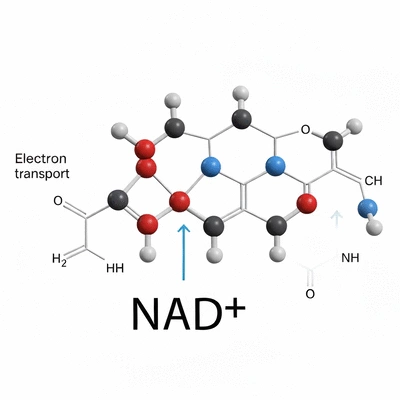
NAD+ is a coenzyme that helps facilitate various metabolic processes within our cells. It acts as a shuttle, transferring electrons during cellular respiration, which ultimately leads to the generation of energy. This energy is crucial for everything from muscle contraction to the functioning of vital organs, making NAD+ essential for daily life.
Without sufficient levels of NAD+, our cellular activities can slow down, leading to symptoms that many may mistakenly attribute to aging. In fact, understanding NAD+ can empower you to take proactive steps in managing your health.
The Role of NAD+ in Energy Metabolism and Cellular Repair
NAD+ is essential in the conversion of nutrients into energy. It works closely with mitochondria, the powerhouse of our cells, to produce adenosine triphosphate (ATP), the energy currency of the body. This process is fundamental, as it fuels all our biological functions.
Moreover, NAD+ plays a key role in cellular repair mechanisms. When DNA is damaged, NAD+ is utilized to activate enzymes that help repair this damage, ensuring cellular integrity and longevity. This connection between NAD+ and repair processes highlights the importance of maintaining optimal levels.
How Mitochondria Utilize NAD+ for Energy Production
Mitochondria rely on NAD+ to produce energy efficiently. They convert nutrients into ATP through oxidative phosphorylation, a process that demands high levels of NAD+. When NAD+ levels dip, it can hinder the mitochondria's ability to generate energy, contributing to feelings of fatigue and lethargy.
- NAD+ facilitates the transfer of electrons during the Krebs cycle.
- It supports the electron transport chain, critical for ATP synthesis.
- Low NAD+ levels can lead to mitochondrial dysfunction and decreased energy production.
Understanding how NAD+ interacts with mitochondria can help you appreciate its role in maintaining energy levels and overall vitality. It's a reminder of how essential this molecule is to our wellness journey!
Key Causes of NAD+ Deficiency
Age-Related Decline: How Aging Affects NAD+ Levels
As we age, our body’s natural levels of NAD+ begin to decline. This decrease can be attributed to various factors, including the body's increased need for energy production and repair, leading to a potential deficit in NAD+ availability. Understanding this decline can help you take preventive measures to maintain your health.
Interestingly, researchers have identified that age-related diseases often correlate with lower NAD+ levels. By focusing on ways to boost our NAD+, we can potentially combat some of the negative effects of aging, as highlighted in research on NAD+ and aging interventions.
Increased Consumption: The Impact of PARP and CD38 Enzymes
Another factor contributing to NAD+ deficiency is the activity of enzymes like PARP (poly(ADP-ribose) polymerase) and CD38. These enzymes consume NAD+ during their activation, particularly during cellular stress responses or inflammation. When the consumption exceeds production, it can lead to significant NAD+ depletion.
- PARP is activated during DNA repair, consuming NAD+ in the process.
- CD38 is involved in immune response, especially during inflammation.
- Excessive activity of these enzymes can rapidly deplete NAD+ levels.
Recognizing the roles of these enzymes emphasizes the dynamic nature of NAD+ in our bodies and the need for adequate levels to support health.
Lifestyle Factors Contributing to Low NAD+ Levels
Your lifestyle choices can significantly impact your NAD+ levels. Factors such as poor diet, lack of exercise, and high-stress levels can deplete NAD+. For instance, a diet low in essential nutrients can limit the precursors that your body needs to synthesize NAD+.
Implementing positive lifestyle changes can help maintain or boost your NAD+ levels. Simple adjustments can lead to noticeable improvements in your overall wellness.
Genetic Factors and Rare Defects Linked to NAD+ Deficiency
Genetics can also play a role in NAD+ levels. Certain rare genetic defects can hinder the body's ability to produce or utilize NAD+, leading to severe health implications. Understanding your family history can provide insights into potential risks for NAD+ deficiency.
While these genetic factors are less common, they highlight the importance of personalized health assessments. If you have concerns, consulting a healthcare provider can help determine your risk and possible preventive measures.
The Role of Nutritional Deficiencies in NAD+ Levels
Many vitamins and nutrients are essential for the synthesis of NAD+. Deficiencies in key nutrients, such as vitamin B3 (niacin), can directly impact NAD+ levels. Ensuring a balanced diet rich in these nutrients is crucial for supporting cellular health.
- Vitamin B3 is a direct precursor to NAD+ synthesis.
- Other important nutrients include tryptophan and riboflavin.
- A balanced diet can promote optimal NAD+ production.
As someone who has dedicated years to studying cellular biochemistry, I can attest to the profound impact that nutrition has on NAD+ levels. Making informed dietary choices can truly be a game-changer!
Recognizing Symptoms of NAD+ Deficiency
Common Symptoms: Fatigue and Energy Levels
One of the first signs of NAD+ deficiency is often a noticeable decline in energy levels. Many individuals report feelings of fatigue, even after a full night's rest. This chronic fatigue can severely impact daily activities and overall quality of life.
By recognizing these early signs, you can take proactive steps to address potential NAD+ deficiencies through lifestyle changes or dietary adjustments.
Cognitive Symptoms: Brain Fog and Decline in Mental Clarity
NAD+ also plays a crucial role in brain function. Deficiencies can lead to cognitive symptoms such as brain fog, memory issues, and decreased mental clarity. It’s common to feel overwhelmed when trying to focus or remember important information, which can be frustrating!
Understanding the connection between NAD+ and cognitive health might inspire you to explore ways to support your brain function through proper nutrition and activities that boost NAD+ levels.

Physical Manifestations: Skin, Gut Issues, and Recovery Challenges
Low NAD+ levels can manifest in various physical ways. You might notice changes in your skin, digestive issues, or delayed recovery from injuries. These symptoms can significantly affect your overall well-being, signaling that it may be time to evaluate your NAD+ levels.
Being attentive to these signs is essential for maintaining good health. If you observe any of these symptoms, it might be worth discussing with a healthcare professional.
Understanding Muscle Weakness and Chronic Fatigue Syndrome Connections
Muscle weakness and chronic fatigue syndrome have been linked to low NAD+ levels. NAD+ is crucial for muscle function, and its deficiency can lead to decreased muscle performance and endurance.
Recognizing the symptoms associated with NAD+ deficiency can empower you to take action. Whether it’s enhancing your diet or considering supplementation, understanding your body’s needs is key to improving your health.
Health Implications of Low NAD+
Metabolic Disorders: Links to Insulin Resistance and NAFLD
Low NAD+ levels can contribute to metabolic disorders, including insulin resistance and non-alcoholic fatty liver disease (NAFLD). These conditions can have far-reaching impacts on your health, increasing the risk of diabetes and other serious illnesses.
Being aware of these connections can motivate you to prioritize NAD+ levels in your wellness journey. It’s a crucial aspect of maintaining metabolic health!
Cardiovascular Health: How NAD+ Deficiency Affects Heart Function
NAD+ is vital for cardiovascular health. It helps regulate various processes that keep our heart functioning optimally. A deficiency can impair heart function, potentially leading to serious cardiovascular issues, as detailed in a study on NAD+ and cardiovascular disease.
Understanding this relationship underscores the importance of NAD+ for heart health. Taking steps to support your cardiovascular system can have lasting benefits!
Neurodegenerative Effects: The Connection to Alzheimer's Disease
Research suggests a link between low NAD+ levels and neurodegenerative diseases like Alzheimer’s. As NAD+ plays a role in brain function and cellular repair, its deficiency could contribute to cognitive decline.
This connection highlights the importance of maintaining adequate NAD+ levels as part of a comprehensive strategy to support brain health.
How NAD+ Levels Influence Inflammation and Immune Function
NAD+ levels also influence inflammation and immune function. Low NAD+ can lead to increased inflammation, which is associated with various chronic diseases. Fostering optimal NAD+ levels can be a crucial component of supporting your immune system, as explored in recent findings on NAD+ and immune responses.
Understanding these implications can guide you toward making healthier choices that promote overall wellness, bringing us closer to our health goals.
Diagnostics: When to Seek Medical Advice
Understanding Clinical Markers and Tests for NAD+ Levels
When it comes to monitoring NAD+ levels, understanding clinical markers is essential. There are various tests available that can help assess your NAD+ status. If you suspect a deficiency, discussing testing options with your healthcare provider can provide clarity.
Being proactive about your health is always a good idea! By understanding the diagnostic tools available, you can take charge of your well-being.
How to Interpret Results: What They Mean for Your Health
Interpreting the results of NAD+ tests can be complex, but they are crucial for assessing your health. Knowing what the results indicate can guide your next steps, whether it's implementing dietary changes, lifestyle adjustments, or considering supplementation.
Consulting with a healthcare professional is vital to understanding your results and determining the best course of action based on your individual health needs.
Evidence-Based Approaches to Address NAD+ Deficiency
Dietary Interventions: Foods and Nutrients to Boost NAD+ Levels
To combat NAD+ deficiency, consider incorporating NAD+-boosting foods into your diet. Foods rich in vitamin B3, such as turkey, tuna, and peanuts, are particularly beneficial. A balanced diet can help ensure that your body has the precursors it needs to produce adequate NAD+ levels.
- Foods rich in tryptophan, like eggs and dairy, support NAD+ synthesis.
- Leafy greens and legumes also contribute valuable nutrients.
- Maintaining a varied and nutrient-dense diet is key!
By focusing on dietary interventions, you can take proactive steps to enhance your cellular health and support your wellness journey.
Exploring NAD+ Precursors: Nicotinamide, Nicotinic Acid, and Tryptophan
In addition to dietary changes, exploring NAD+ precursors can be beneficial. Nicotinamide and nicotinic acid are direct precursors to NAD+ and can be found in various supplements. Tryptophan, an amino acid, can also help support NAD+ production.
Understanding the role of these precursors can empower you to make educated choices about supplementation. However, it’s essential to consult with a healthcare professional before starting any new regimen.
Exercise and Lifestyle Changes for Optimal NAD+ Homeostasis
Regular exercise is not just beneficial for overall health; it can also boost NAD+ levels! Engaging in physical activity stimulates the production of NAD+ and enhances mitochondrial function.
- Aerobic exercises, like running or cycling, are particularly effective.
- Incorporating strength training can further support NAD+ levels.
- Making exercise a regular part of your routine can promote optimal cellular health!
By prioritizing physical activity, you can support both your energy levels and your overall health, which is a win-win!
Supplementation and IV NAD+: What to Consider
For those looking to boost their NAD+ levels more rapidly, supplementation and IV NAD+ treatments have gained popularity. While these options can be effective, it’s crucial to approach them with caution.
Always consider consulting with a healthcare professional to determine the best approach for your individual health needs. Understanding the potential benefits and risks can guide you toward the most effective solutions.
Evaluating the Safety and Efficacy of Various Treatments
Not all NAD+ treatments and supplements are created equal. Evaluating the safety and efficacy of different options is vital to ensure that you’re making informed choices. Research the ingredients and sources of any supplements you consider.
Seek recommendations from trusted healthcare providers, and don’t hesitate to ask questions about treatment options!
Understanding the Impact of Intermittent Fasting on NAD+ Levels
Recent studies have indicated that intermittent fasting may positively influence NAD+ levels. By giving your body periods of rest from constant energy intake, you may promote cellular repair processes and enhance NAD+ production.
While this approach can be beneficial, it’s essential to find a fasting method that works for you. As always, consulting with a healthcare professional can help tailor a plan that aligns with your health goals.
Addressing Common Questions About NAD+ Deficiency
Here are some frequently asked questions to help you better understand NAD+ deficiency and its implications:
Frequently Asked Questions (FAQs)
What is NAD+ and why is it important?
NAD+ (Nicotinamide Adenine Dinucleotide) is a critical coenzyme found in every cell of your body. It is vital for energy production, cellular repair, and various metabolic processes, making it essential for maintaining overall health and vitality.
What are the common symptoms of low NAD+ levels?
Common symptoms include chronic fatigue, low energy, brain fog, decline in mental clarity, skin and gut issues, slow recovery from injuries, and muscle weakness.
What causes NAD+ levels to decline?
NAD+ levels can decline due to age-related factors, increased activity of enzymes like PARP and CD38, lifestyle choices (poor diet, lack of exercise, stress), genetic factors, and nutritional deficiencies (especially Vitamin B3).
How can I naturally boost my NAD+ levels?
You can boost NAD+ levels through dietary interventions (foods rich in Vitamin B3 and tryptophan), regular exercise (aerobic and strength training), and lifestyle changes such as intermittent fasting.
Are NAD+ supplements and IV treatments safe?
While NAD+ supplements and IV treatments can be effective, it's crucial to approach them with caution. Always consult with a healthcare professional to determine the best approach for your individual health needs, considering potential benefits and risks.
Do I Need Testing for NAD+ Deficiency?
If you’re experiencing symptoms associated with low NAD+ levels, testing may be beneficial. Understanding your NAD+ status can provide valuable insights into your health and guide your next steps.
Don’t hesitate to discuss your concerns with a healthcare provider—they can help you assess whether testing is necessary.
Can Supplements Effectively Raise NAD+ Levels?
Supplements can be an effective way to raise NAD+ levels, but it's essential to choose high-quality products. Research different brands and formulations to find one that meets your needs and aligns with your health goals.
Always consult with a healthcare professional before starting any new supplements to ensure they are right for you.
What Are the Risks of IV NAD+ Treatments?
While IV NAD+ treatments can offer rapid increases in NAD+ levels, they may not be suitable for everyone. Understanding the potential risks and benefits is crucial before considering this approach.
Consulting a healthcare provider can help you weigh your options and decide the best path for your health.
How Do Antioxidants and Sirtuins Influence NAD+ Levels?
Antioxidants and sirtuins play a crucial role in maintaining NAD+ levels. Sirtuins, which are proteins activated by NAD+, can help regulate metabolic processes and promote cellular health. Ensuring you have adequate antioxidants in your diet can also support these processes.
Being aware of these connections allows you to make choices that align with your wellness goals! Emphasizing a nutrient-rich diet and lifestyle can have a significant impact on your health.
Pro Tip
To naturally boost your NAD+ levels, consider incorporating foods rich in vitamin B3 into your diet. Options such as turkey, fish, and nuts not only support energy production but also enhance overall cellular health. Additionally, engaging in regular aerobic exercise can help stimulate NAD+ production, making it a vital component of your wellness routine!
Concluding Thoughts on NAD+ Deficiency and Health
As we wrap up our exploration of NAD+ deficiency, it's vital to keep in mind the key insights we've uncovered. Understanding the role of NAD+ in our cellular function is the first step toward maintaining our overall health. Awareness is crucial not only for recognizing the signs of deficiency but also for implementing effective prevention and treatment strategies. Empowering yourself with knowledge about NAD+ can help you make informed decisions about your health journey!
- NAD+ is essential for cellular energy and metabolism.
- Deficiency can lead to various health issues, including fatigue and cognitive decline.
- Recognizing symptoms early is key to effective management.
- Consulting healthcare professionals can guide you toward appropriate interventions.
Remember, the journey towards optimal wellness requires a proactive approach. Consulting with your healthcare provider can help tailor a strategy that fits your unique health needs.
Taking Action: Your Next Steps for Health Improvement
So, what can you do next? Starting with small, manageable changes in your diet and lifestyle can significantly impact your NAD+ levels and overall health. Here are some actionable steps you can take:
- Incorporate NAD+ boosting foods: Focus on foods rich in vitamins like B3, such as avocados, nuts, and whole grains.
- Make lifestyle adjustments: Regular exercise and adequate sleep can enhance your body's ability to maintain NAD+ levels.
- Research treatment options: Explore safe supplements or dietary interventions that can support your NAD+ levels.
As you embark on this journey, it's important to stay informed about the options available to you. With a deeper understanding of NAD+ and its implications for your health, you're better equipped to make choices that promote longevity and vitality.
Recap of Key Points
Here is a quick recap of the important points discussed in the article:
- NAD+ is crucial for energy production and cellular repair, playing a vital role in metabolic processes.
- Deficiency in NAD+ can lead to significant health issues, including fatigue, cognitive decline, and metabolic disorders.
- Age-related decline, enzyme activity, lifestyle choices, and nutritional deficiencies can contribute to low NAD+ levels.
- Early recognition of NAD+ deficiency symptoms is essential for effective management and health improvement.
- Incorporating NAD+-boosting foods and maintaining an active lifestyle are key strategies to support NAD+ levels.


Guide to Choosing NAD+ Supplements
NAD+ Research: Challenges and Directions
NAD+ and Heart Health Connection
NAD+ Benefits for Skin Health
NAD+ Supplementation: Benefits and Risks