What if the secret to enhancing your athletic performance lies in a tiny molecule? Meet NAD+, a powerhouse that plays a vital role in energy production and muscle function. Understanding its significance could be your game-changer!
What You Will Learn
Energy Production: NAD+ is crucial for ATP synthesis, the primary energy currency of cells.
Muscle Recovery: It aids in the repair of muscle tissues, enhancing recovery after workouts.
Mitochondrial Health: Higher NAD+ levels support mitochondrial function, essential for endurance.
Reduced Inflammation: NAD+ may lower inflammation, improving recovery times post-exercise.
Strength Gains: Supplementing with NAD+ can potentially enhance muscle strength during training.
Research Gaps: Current studies on NAD+ and athletic performance in humans need more substantial evidence.
NAD+ Impact on Athletic Performance: Key Benefits & Research Gaps
This visual summarizes the established benefits and current limitations in NAD+ research for athletes, highlighting areas of promise and those requiring further study.
Key Benefits of NAD+ for Athletes
Enhanced Energy Production
Vital for ATP production, fueling muscles during exercise.
Faster Muscle Recovery
Aids in repairing muscle tissues and reducing downtime post-exercise.
Boosts Mitochondrial Function
Stimulates biogenesis, enhancing endurance and energy output.
Potential for Reduced Inflammation
Anti-inflammatory properties help mitigate post-workout stress.
Current Research & Evidence Gaps
Limited Human Trials
Much evidence from animal/in vitro models; direct human impact needs more study.
Need for Larger RCTs
Larger, well-structured randomized controlled trials essential for validation.
Optimal Dosage Undefined
Specific dosage protocols and long-term safety need further investigation.
Athlete-Specific Research
Understanding effects across different athlete types requires more focused studies.
NAD+ and Its Role in Enhancing Muscle Function for Athletes
Nicotinamide adenine dinucleotide, or NAD+, is not just a mouthful to say; it’s a powerhouse molecule crucial for energy production and muscle function, especially for athletes. As a dedicated researcher in cellular biochemistry, I often find myself amazed at how this small but mighty compound significantly impacts athletic performance. Whether you’re an elite athlete or simply enjoy hitting the gym, understanding the importance of NAD+ can help you optimize your training and recovery strategies!
So why does NAD+ matter for athletes? Simply put, it plays a critical role in converting nutrients from the food we eat into the energy our muscles need to perform optimally. When our NAD+ levels are sufficient, we can push harder, recover faster, and ultimately, perform better!
Understanding NAD+ and Its Importance in Athletic Performance
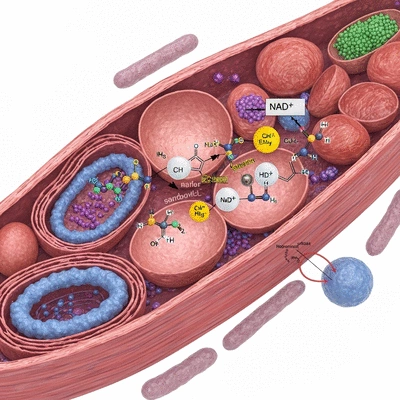
To grasp the full picture, let's dive deeper into what NAD+ actually does. It acts as a coenzyme in redox reactions, which are essential for energy metabolism. This means that NAD+ is directly involved in the biochemical processes that fuel our muscles during exercise. Without adequate NAD+, athletes may experience fatigue more quickly, which can dampen performance.
Supports Energy Production: NAD+ is vital for ATP production, the energy currency of cells.
Enhances Muscle Recovery: It aids in repairing muscle tissues post-exercise.
Boosts Mitochondrial Function: Higher NAD+ levels promote better mitochondrial health, which is essential for endurance.
By maintaining optimal NAD+ levels, athletes can enhance their performance, boost their endurance, and recover more efficiently after strenuous workouts. It’s fascinating how this small molecule can make such a significant difference!
The Science Behind NAD+: Mechanisms of Action
NAD+ Salvage Pathway and Muscle Repair
The NAD+ salvage pathway is a critical process that recycles NAD+ from its breakdown products, helping to maintain sufficient levels for cellular functions. This pathway is particularly important for muscle satellite cells (MuSCs), which are essential for muscle repair and regeneration. When we engage in intense training, muscle fibers undergo micro-tears, and these satellite cells are activated to aid in the recovery process. With adequate NAD+, MuSCs can function more effectively, leading to more robust muscle repair and growth.
Therefore, if you're pushing your limits in training, ensuring a proper NAD+ supply might just be the secret weapon for enhancing muscle recovery!
Mitochondrial Function and Endurance
NAD+ also plays a pivotal role in mitochondrial function, the powerhouse of our cells. When NAD+ levels are high, it stimulates mitochondrial biogenesis, which means your body can create more mitochondria. This is especially beneficial for endurance athletes as more mitochondria mean enhanced energy production during prolonged physical activity.
Ultimately, maintaining optimal NAD+ levels contributes to improved endurance and performance, allowing athletes to train harder and longer without feeling worn out. Isn’t it incredible how a tiny molecule can have such a massive impact on your stamina?
Performance Benefits of NAD+ for Athletes
Enhancing Strength and Reducing Inflammation
Research indicates that NAD+ supplementation may lead to enhanced strength gains and reduced inflammation markers during training. When muscles are under stress, inflammation can hinder performance and recovery. However, NAD+ has been shown to possess anti-inflammatory properties that can help mitigate these effects.
Strength Gains: NAD+ supports optimal muscle function and growth.
Reduced Inflammation: It helps lower inflammation, allowing for better recovery between workouts.
Improved Energy Levels: More energy means you can push harder during workouts!
This means that integrating NAD+ into your regimen could not only help you lift more but also feel better while doing it!
Faster Recovery Times Post-Exercise
After an intense workout, the body needs time to recover. That’s where NAD+ shines! It influences muscle recovery by accelerating the repair process and reducing downtime. By replenishing NAD+ levels post-exercise, athletes may find themselves ready to tackle their next workout sooner than they would otherwise.
With faster recovery times, you can maintain a more consistent training schedule, ultimately leading to improved performance over time. Embracing the benefits of NAD+ could be game-changing for your athletic journey!
Limitations and Evidence Gaps in Human Trials
Current Research on NAD+ in Athletic Populations
While there’s a growing body of evidence supporting the benefits of NAD+, it’s important to note that much of the research has been conducted in animal models or in vitro. Current studies on NAD+ in athletic populations show promise but lack substantial evidence directly linking NAD+ supplementation to performance gains in human athletes.
More research is needed to understand how NAD+ affects different types of athletes and whether the benefits observed in lab settings translate to real-world performance improvements.
The Need for Larger Trials and Athlete-Specific Research
To bridge this gap, we need larger, well-structured trials focusing on specific athletic populations. Randomized controlled trials (RCTs) that can accurately measure performance outcomes in athletes will be vital for validating the efficacy of NAD+ supplementation.
As we continue to explore this exciting area of research, there’s no doubt that understanding NAD+'s role in athletic performance will lead to more personalized and effective training strategies!
Comparative Analysis: NAD+ Precursors and Their Efficacy
Nicotinamide Riboside (NR) vs. Nicotinamide Mononucleotide (NMN)
As we look into NAD+ boosters, two popular options are Nicotinamide Riboside (NR) and Nicotinamide Mononucleotide (NMN). Both serve as precursors to NAD+, but they have different metabolic pathways and efficacy.
Nicotinamide Riboside (NR): Generally recognized for its ability to increase NAD+ levels effectively.
Nicotinamide Mononucleotide (NMN): Known for its potential in enhancing mitochondrial function and energy metabolism.
Choosing between NR and NMN may depend on your specific goals, whether you’re looking to enhance muscle recovery or overall energy levels during training.
Vitamin B3's Role in NAD+ Synthesis
Vitamin B3, or Niacin, is another important player in the synthesis of NAD+. It serves as a precursor to NAD+ and is essential for its production in the body. Including foods rich in Vitamin B3, such as meat, fish, and whole grains, can support your body's ability to maintain healthy NAD+ levels.
By ensuring sufficient intake of Vitamin B3, you’re not just boosting your NAD+ levels but also supporting your overall health as an athlete!
Discussion on Dosage Protocols and Long-Term Safety
When considering NAD+ supplementation, understanding dosage is crucial. Current research suggests a range of dosages for different NAD+ boosters, often between 250mg to 500mg daily.
However, it’s essential to consult a healthcare professional before starting any new supplement regimen, especially regarding long-term safety and appropriate dosing to tailor it to your individual needs.
Engagement and Community Discussion
Here’s a thought-provoking question for you: How do you perceive the role of NAD+ in your athletic journey? Do you believe it could be the missing link in enhancing your performance or recovery? Share your thoughts and experiences in the comments below!
Frequently Asked Questions about NAD+ and Athletic Performance
What is NAD+ and why is it important for athletes?
NAD+ (Nicotinamide Adenine Dinucleotide) is a coenzyme vital for cellular energy production (ATP synthesis) and muscle function. For athletes, it's crucial for sustained energy during exercise, faster muscle recovery, and improved endurance.
How does NAD+ help with muscle recovery?
NAD+ supports the NAD+ salvage pathway, which recycles NAD+ to maintain cellular levels. This process is essential for muscle satellite cells (MuSCs) involved in repairing and regenerating muscle tissues after intense workouts, leading to reduced downtime.
Can NAD+ improve endurance?
Yes, by boosting mitochondrial function. Higher NAD+ levels stimulate mitochondrial biogenesis, increasing the number of mitochondria in cells. More mitochondria mean more efficient energy production, which is key for enhancing endurance during prolonged physical activity.
What are the anti-inflammatory benefits of NAD+?
NAD+ has been shown to possess anti-inflammatory properties. This helps mitigate post-workout stress and inflammation, contributing to better recovery and potentially enhancing strength gains by supporting optimal muscle function and growth.
Is there strong human evidence for NAD+ supplementation improving athletic performance?
While promising, much of the research on NAD+ benefits for athletic performance has been conducted in animal models or in vitro. More extensive, well-structured human trials and randomized controlled trials (RCTs) are needed to definitively link NAD+ supplementation to performance gains in human athletes.
What is the difference between Nicotinamide Riboside (NR) and Nicotinamide Mononucleotide (NMN)?
Both NR and NMN are popular precursors to NAD+, meaning they help the body produce more NAD+. They have different metabolic pathways, but both are generally recognized for their ability to effectively increase NAD+ levels, enhancing mitochondrial function and energy metabolism. The choice between them often depends on specific individual goals.
Summary of NAD+ Benefits for Athletes and Future Potential
As we dive into the world of NAD+ supplementation, it's crucial to weigh the evidence regarding its benefits for athletes. Current research indicates several promising aspects of NAD+, particularly in energy production and muscle recovery. However, we must also consider the limitations and gaps in evidence surrounding its effectiveness. Athletes often seek a competitive edge, and while NAD+ may offer improvements in strength and recovery, its overall impact on athletic performance requires further investigation.
Here’s a quick summary of what we know so far:
Enhanced Energy Production: NAD+ plays a vital role in converting food into energy.
Muscle Recovery: The NAD+ salvage pathway supports muscle repair processes.
Potential for Reduced Inflammation: Some studies suggest it may help lower inflammation during training.
Limited Evidence: Current human trials show mixed results regarding performance gains.
As a result, athletes considering NAD+ supplements should approach them with cautious optimism. It's essential to consult with healthcare professionals and consider individual health needs before making any decisions.
Future Research Directions and Implications for Athletes
The journey of understanding NAD+ and its potential in athletics is far from complete. Ongoing research is necessary to clarify the actual benefits this molecule can provide. As scientists delve deeper into the mechanisms of NAD+, we might unveil new insights that could change the landscape of athletic supplementation.
Future studies should focus on:
Conducting larger randomized controlled trials (RCTs) specific to various athletic populations.
Examining the long-term effects of NAD+ supplementation on performance outcomes.
Investigating optimal dosages and timing for supplementation.
Assessing the interaction between NAD+ and other nutrients or supplements.
With more robust data, we can better understand how NAD+ influences performance and recovery, paving the way for athletes to optimize their training regimens effectively.
Understanding Recovery Strategies: The Role of NAD+ in Muscle Endurance
Recovery strategies are critical for athletes aiming to enhance their endurance and performance. NAD+ is emerging as a key player in this arena, influencing how efficiently our muscles recover after strenuous activities. It plays a role in muscle endurance by facilitating mitochondrial function, which is essential for sustained energy output during workouts.
For athletes looking to implement effective recovery strategies, consider:
Integrating NAD+ supplements into your post-exercise routine.
Pairing NAD+ supplementation with a balanced diet rich in antioxidants.
Ensuring adequate hydration and sleep to maximize recovery.
By understanding the role of NAD+ in muscle endurance, athletes can tailor their recovery strategies and potentially improve their overall performance outcomes. Remember, recovery is just as important as training!
Engagement and Community Discussion
I would love to hear from you! Have you tried NAD+ supplementation in your training regimen? How has it affected your muscle recovery or endurance? Your stories and experiences are valuable, and sharing them could help foster a community of informed athletes eager to explore the potential of NAD+.
Join the conversation below, and let’s learn from each other about how we can harness the science of NAD+ to enhance our athletic journeys!
Recap of Key Points
Here is a quick recap of the important points discussed in the article:
Supports Energy Production: NAD+ plays a critical role in ATP production, fueling muscle performance.
At What Is NAD, we demystify cellular biochemistry and aging science, empowering you with expert-reviewed insights into NAD's vital role in health and longevity.






Guide to Choosing NAD+ Supplements
NAD+ Research: Challenges and Directions
NAD+ and Heart Health Connection
NAD+ Benefits for Skin Health
NAD+ Supplementation: Benefits and Risks