
NAD+ Role in Cellular Function
- •Maintains cellular energy levels crucial for optimal function.
- •Supports DNA repair, maintaining genetic integrity.
- •Regulates metabolism and cellular processes.
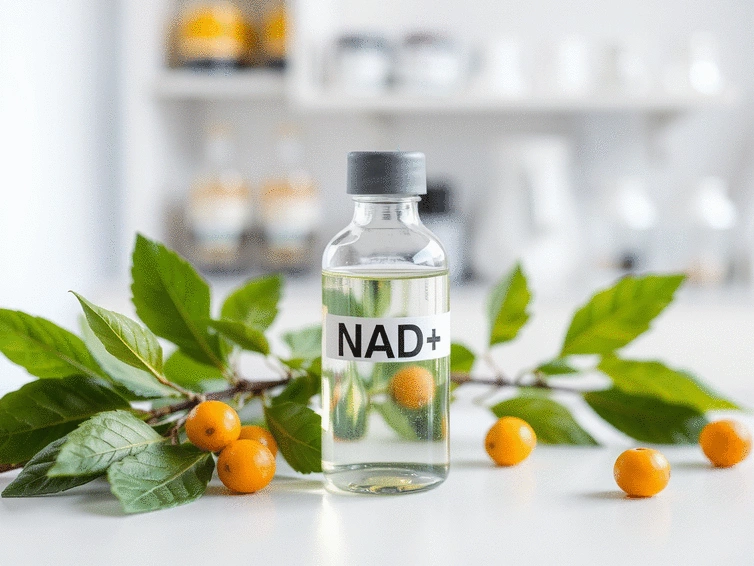
What if a tiny molecule could significantly influence how we age? NAD+ (nicotinamide adenine dinucleotide) is that powerful molecule, playing a crucial role in cellular energy production and wellness. Understanding its impact can reshape how we view health and longevity.
NAD+ is a crucial coenzyme involved in numerous cellular processes, impacting energy production, DNA repair, and overall cellular vitality. Its decline with age contributes to various age-related conditions, making it a key focus in anti-aging research.
As we dive into the world of cellular health, it’s essential to grasp what NAD+ (nicotinamide adenine dinucleotide) is and why it matters so much for our body's processes. This fascinating molecule plays a critical role in energy production and is involved in numerous biological reactions, particularly in our cells' energy factories known as mitochondria. With a deeper understanding of NAD+, we can unlock insights into its importance in aging and overall wellness.
At What Is NAD, we emphasize the significance of NAD+ not just as a scientific term but as a key player in maintaining our vitality as we age. The decline in NAD+ levels has been linked to many age-related conditions, making it a focal point in health discussions. So, let's explore its importance!
NAD+ is a coenzyme found in every living cell, and its primary role is to assist in the conversion of nutrients into energy. Think of it as a critical fuel source that powers the biochemical reactions necessary for life. Here are a few reasons why NAD+ is essential:
As we age, the levels of NAD+ in our bodies decrease, which can impact our energy levels and overall cellular health. Understanding NAD+ is the first step toward recognizing how we can support our bodies in the aging process.
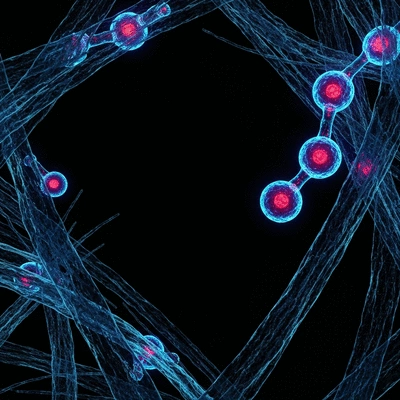
Research has shown that the decline of NAD+ levels is associated with several aspects of aging. As I’ve discovered in my studies, low NAD+ levels can lead to mitochondrial dysfunction and increased oxidative stress. This decline is not just a byproduct of aging but rather a contributing factor to the aging process itself.
To elaborate further, NAD+ is vital for several enzymes, including sirtuins, which are known to play a significant role in extending lifespan and promoting healthspan. By understanding the biochemical pathways that involve NAD+, we can explore potential interventions to boost our NAD+ levels and promote healthier aging. For a deeper dive into the relationship between NAD+ precursors and healthy aging, you can refer to this study on NAD+ biosynthesis.
Cellular senescence, a state where cells lose their ability to divide and function, is a critical factor in the aging process. NAD+ influences this phenomenon in multiple ways. Here’s how:
Understanding the connection between NAD+ and cellular senescence can pave the way for innovative therapies aimed at reducing the effects of aging. My passion for this subject is driven by a desire to translate these scientific findings into practical advice for enhancing health and longevity. Additionally, ongoing clinical trials, such as this study on NAD+ in healthy individuals, are further exploring the therapeutic potential of NAD+ supplementation.
Recent studies show that maintaining optimal NAD+ levels can enhance mitochondrial function by up to 30%, potentially reversing some age-related declines in energy metabolism. This makes NAD+ not just a buzzword in health discussions, but a critical component of our cellular health strategy!
NAD+ (nicotinamide adenine dinucleotide) is a coenzyme crucial for cellular energy production, DNA repair, and metabolism. Its levels decline with age, contributing to various age-related conditions and reduced cellular function, making it a key focus in anti-aging research.
The decline in NAD+ levels with age is linked to mitochondrial dysfunction, increased oxidative stress, and impaired DNA repair. This can lead to decreased energy levels, reduced cellular vitality, and contribute to the overall aging process and age-related conditions.
Research indicates that NAD+ supplementation shows promise in improving metabolic health and markers of longevity. It can enhance mitochondrial function and support critical enzymes like sirtuins, which play a role in extending lifespan and promoting healthspan. However, ongoing research is needed for definitive conclusions.
NAD+ influences cellular senescence, a state where cells lose their ability to divide and function. It helps regulate sirtuin activity for cellular stress responses, and higher NAD+ levels can reduce the accumulation of senescent cells, thereby improving tissue function and enhancing repair mechanisms in aged cells.
Before considering NAD+ supplementation, it's important to assess any symptoms like fatigue or decreased energy, and consult with healthcare professionals for tailored advice. It's also crucial to evaluate claims critically, looking for peer-reviewed studies and considering factors like dosage. Exploring dietary interventions to naturally boost NAD+ levels can also be a good first step.
As we dive deeper into the relationship between NAD+ and anti-aging, it’s essential to balance the excitement around its potential benefits with grounded scientific evidence. While the hype surrounding NAD+ therapy can be enticing, we must approach it with a discerning eye to separate fact from fiction. Numerous studies suggest that NAD+ plays a significant role in cellular health, yet it’s crucial to understand the nuances of this complex molecule.
At What Is NAD, we advocate for an evidence-based perspective. You might be curious about how NAD+ can genuinely impact your health, and it’s vital to explore the available research and clinical findings. Here are some key points that summarize the current understanding:
The landscape of NAD+ research is ever-evolving, and staying informed is essential for making educated decisions about your health. It’s not just about jumping on trends; it’s about understanding how NAD+ fits into the broader picture of wellness and aging.
When considering any health intervention, it’s important to sift through the noise and focus on rigorous scientific evidence. While the potential benefits of NAD+ are supported by a growing body of research, skepticism is a healthy part of the inquiry. Here’s how you can critically evaluate the claims surrounding NAD+:
As you explore the potential of NAD+, remember that it’s essential to stay informed and consult with a healthcare professional when considering any new therapy. By grounding your decisions in solid evidence, you can ensure that your approach to wellness is both safe and effective.
After understanding the facts about NAD+, you might wonder if incorporating NAD+ into your health regimen is the right choice for you. It’s a personal journey that requires reflection and consideration of your unique health profile. Here are some steps to guide you:
At What Is NAD, our mission is to empower you with knowledge about NAD+ and its implications for health and aging. As you consider these next steps, remember that informed decisions are your best ally in your wellness journey!
Here is a quick recap of the important points discussed in the article:
Guide to Choosing NAD+ Supplements
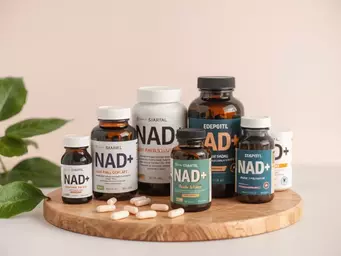
What if a small molecule could transform your energy levels and vitality? Enter nicotinamide adenine
NAD+ Research: Challenges and Directions
What if the key to enhancing your vitality and tackling age-related concerns lies within a tiny mole
NAD+ and Heart Health Connection
How much do you know about the tiny molecule that plays a monumental role in your heart health? The

Guide to Choosing NAD+ Supplements
NAD+ Research: Challenges and Directions
NAD+ and Heart Health Connection
NAD+ Benefits for Skin Health
NAD+ Supplementation: Benefits and Risks