
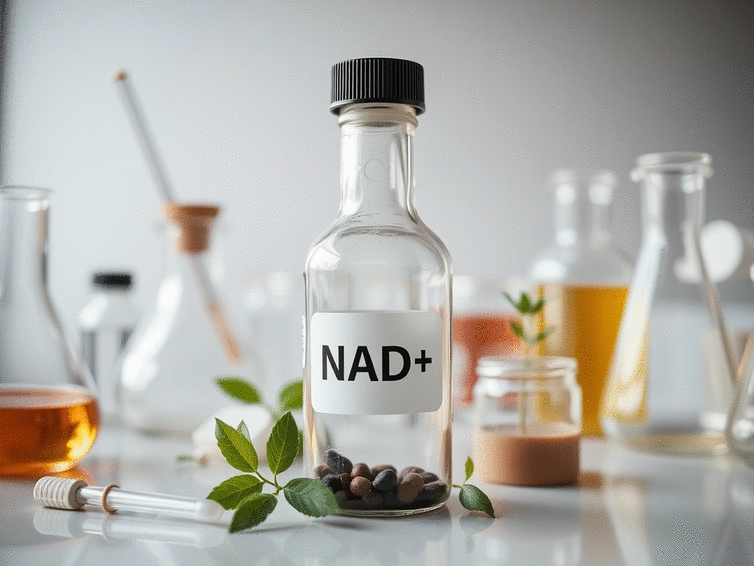
NAD+ Research: Challenges and Directions
What if the key to enhancing your vitality and tackling age-related concerns lies within a tiny molecule? NAD+, or nicotinamide adenine dinucleotide, plays a critical role in cellular health and energy metabolism. As research evolves, its potential benefits and applications are becoming clearer.
What You Will Learn
- NAD+ is essential for energy production, DNA repair, and cell signaling.
- Aging leads to a natural decline in NAD+ levels, impacting health and vitality.
- NAD+ precursors like nicotinamide riboside (NR) and nicotinamide mononucleotide (NMN) can help boost NAD+ levels.
- Ongoing clinical trials show mixed results for NAD+ supplementation, necessitating further research.
- Long-term safety and effectiveness of NAD+ supplements remain unclear; consulting with healthcare professionals is crucial.
- Future trends in NAD+ research may lead to personalized supplementation strategies and innovative therapies.
- Public awareness of NAD+’s role in cellular health could drive demand for high-quality supplements and preventative health measures.
NAD+ Research: Challenges and Opportunities
This visual outlines the key challenges and opportunities in current NAD+ research.
Key Challenges in NAD+ Research
- •Mixed Results from Clinical Trials: Inconsistent outcomes across studies lead to skepticism.
- •Concerns About Safety & Side Effects: Long-term effects of supplementation are unclear.
Opportunities & Future Directions
- •Personalized Supplementation: Tailoring strategies based on genetics & lifestyle.
- •Targeted Clinical Trials: Focusing on specific health conditions like diabetes.
- •Advancements in Delivery Methods: Enhancing supplement effectiveness for consumers.
Understanding NAD+ Research: Current Challenges and Opportunities
If you've ever explored the intriguing world of cellular health, you might have come across NAD+, or nicotinamide adenine dinucleotide. This small but mighty molecule is essential for energy production in our cells, playing a critical role in metabolism and aging. At What Is NAD, we believe that understanding NAD+ can empower individuals to make informed choices about their health and wellness.
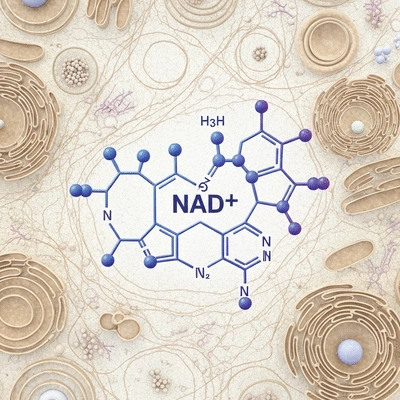
NAD+ is particularly vital for processes like DNA repair, cell signaling, and the regulation of metabolism. As we age, NAD+ levels naturally decline, leading to various health concerns. This decline has spurred significant interest in NAD+ research, focusing on supplementation as a potential means to restore cellular function and improve overall health. But what exactly does this mean for us?
What is NAD+ and Why is it Important?
In simple terms, NAD+ is crucial for converting food into energy. It acts as a coenzyme, assisting enzymes in various biochemical reactions. However, its significance extends beyond just energy metabolism; it’s also involved in maintaining cellular health. Think of NAD+ as the fuel that keeps your cellular engine running smoothly!
- Supports energy production
- Facilitates DNA repair
- Regulates cell signaling
Maintaining optimal NAD+ levels can potentially slow down age-related decline in cellular function, making it a focal point for numerous health studies. As we dive deeper into this research, we uncover both challenges and opportunities that shape our understanding of NAD+ and its effects on health. For instance, studies like one published in PubMed highlight the essential role of NAD+ in fundamental biological processes.
NAD+ Precursors: Exploring Their Role in Cellular Metabolism
NAD+ precursors such as nicotinamide riboside (NR) and nicotinamide mononucleotide (NMN) play pivotal roles in supporting NAD+ synthesis in our bodies. These compounds are increasingly being studied for their potential benefits in boosting NAD+ levels. Incorporating these precursors into your daily routine could enhance your overall metabolic health and vitality.
- Nicotinamide Riboside (NR): A well-researched precursor that efficiently converts to NAD+
- Nicotinamide Mononucleotide (NMN): Emerging evidence suggests it may have a more significant impact on restoring NAD+ levels
- Dietary Sources: Foods like milk, fish, and green vegetables also contribute to NAD+ levels
By understanding these precursors, we can better appreciate their potential in enhancing cellular metabolism and overall health. However, research is ongoing, and more studies are needed to fully comprehend their roles. Recent findings, such as those discussed in journals like Antioxidants & Redox Signaling, continue to shed light on the efficacy of NAD+ precursors.
Key Challenges in Current NAD+ Research
Despite the promising prospects surrounding NAD+ and its precursors, several key challenges must be addressed to fully realize their potential benefits. One of the main hurdles is the mixed results emerging from clinical trials. While some studies indicate positive outcomes from NAD+ supplementation, others show minimal or no effects.
Mixed Results from Clinical Trials on NAD+ Supplementation
Clinical trials investigating NAD+ supplementation have produced varying results, leading to confusion and skepticism. Some individuals experience notable improvements in energy and vitality, while others notice little to no changes. This inconsistency highlights the need for further research to clarify the efficacy of NAD+ interventions across different populations.
Concerns About Safety and Side Effects
Another significant concern in NAD+ research is the safety of long-term supplementation. While short-term studies have generally indicated a favorable safety profile, long-term effects remain unclear. It's crucial for anyone considering NAD+ supplements to consult healthcare professionals to ensure they make informed decisions that suit their individual health needs. For example, some experts, as noted by researchers at the University of Copenhagen's CBMR, suggest that low NAD+ levels may not be the primary driver of aging, urging caution regarding supplementation.
As we continue exploring these challenges, it's evident that while the path of NAD+ research is promising, it requires thorough investigation and thoughtful consideration. At What Is NAD, we remain committed to providing you with reliable information to support your wellness journey!
Frequently Asked Questions About NAD+
Here are some common questions about NAD+ and its research:
- What is NAD+? NAD+ (nicotinamide adenine dinucleotide) is a coenzyme found in all living cells, vital for energy production, DNA repair, and cell signaling.
- Why do NAD+ levels decline with age? The exact reasons are still being researched, but it's understood that as we age, processes that consume NAD+ become more active, and its production may become less efficient.
- What are NAD+ precursors? These are compounds like Nicotinamide Riboside (NR) and Nicotinamide Mononucleotide (NMN) that the body can convert into NAD+ to help boost its levels.
- Are NAD+ supplements safe? Short-term studies generally show a favorable safety profile, but long-term safety and potential side effects are still under investigation. It's best to consult a healthcare professional.
- Are the results from NAD+ clinical trials consistent? No, clinical trials have shown mixed results, with some indicating benefits and others showing minimal effects, highlighting the need for more targeted research.
Interactive Poll: Your Thoughts on NAD+
As we explore the fascinating world of NAD+ and its potential health benefits, we want to hear from you! Have you ever considered incorporating NAD+ supplements into your wellness routine?
Concluding Insights on NAD+ Research and Its Future
As we look at the landscape of NAD+ research, it’s clear that we are standing at a pivotal moment. The findings of recent studies have begun to reshape our understanding of cellular health, and as a result, they carry significant implications for future research directions. Researchers are now tasked with digging deeper into how NAD+ supplementation can influence our overall wellness and its varied impacts across different populations.

What excites me the most is the potential for breakthroughs in how we approach aging and metabolic health. The ongoing exploration of NAD+ could lead us to revolutionary therapies that not only enhance our vitality but also target age-related diseases more effectively. Each piece of new research adds another layer to our understanding, and I believe this is just the beginning.
The Implications of Current Findings for Future Research
Current findings on NAD+ are paving the way for exciting new research avenues. Here are a few implications that stand out:
- Increased focus on understanding the relationship between NAD+ levels and various health conditions, particularly in aging populations.
- Exploration of personalized supplementation strategies based on genetic and lifestyle factors.
- Continued investigation into the long-term impacts of NAD+ supplementation on health outcomes.
As we uncover more about the intricate role of NAD+ in cellular function, it may lead to innovative therapies that could significantly enhance our quality of life as we age. The emphasis on personalized medicine is particularly important, as it recognizes that each individual’s response to NAD+ might vary.
What to Expect in the Coming Years for NAD+ Supplementation
The next few years promise exciting developments in NAD+ supplementation. With the growing body of evidence supporting its benefits, here’s what I expect to see:
- More targeted clinical trials investigating specific health conditions, including diabetes and neurodegenerative diseases.
- Advancements in delivery methods, making supplements easier and more effective for consumers.
- Increased collaboration between researchers and health practitioners to better integrate findings into clinical practice.
As an advocate for health education, I am eager to see how these advancements will translate into real-world applications, helping individuals make informed choices about their health. The future of NAD+ research looks promising!
Future Trends in NAD+ Research and Public Health Implications
Looking ahead, I anticipate that the public health implications of NAD+ research will be profound. Here are some trends I foresee:
- Greater awareness of NAD+’s role in cellular metabolism will encourage more people to consider their cellular health as part of overall wellness.
- Public health initiatives may start to incorporate NAD+ education, emphasizing its potential in preventing age-related diseases.
- Increased demand for NAD+ supplements could drive innovation in the supplement industry, leading to higher quality and more effective products.
At What Is NAD, we aim to keep our readers informed about these trends and help them navigate the exciting world of NAD+. Together, we can foster a community that understands the science behind NAD+ and its profound implications for health and longevity.
Engaging with the Community: Share Your Experiences
Join the Conversation: NAD+ Supplementation Questions and Insights
I invite you to join the conversation around NAD+ supplementation! Have you tried NAD+ supplements? What results have you seen, and what questions do you have? Your experiences can help others as we explore this exciting field together.
Explore Further: Resources and Tools for Personalized Research
To delve deeper into your understanding of NAD+, consider exploring the following resources:
- Research articles on NAD+ metabolism and its health implications.
- Personalized health assessments based on NAD+ levels and overall wellness.
- Support groups and forums focusing on NAD+ supplementation experiences.
Let’s continue to build a community of informed health enthusiasts who can share knowledge and insights about NAD+. Remember, your health journey is unique, and understanding how NAD+ fits into that journey is key to achieving optimal wellness!
Recap of Key Points
Here is a quick recap of the important points discussed in the article:
- NAD+ is essential for energy production, DNA repair, and cellular signaling.
- NAD+ levels decline with age, leading to metabolic slowdowns and health concerns.
- Precursors like Nicotinamide Riboside (NR) and Nicotinamide Mononucleotide (NMN) can support NAD+ synthesis.
- Current NAD+ research faces challenges, including mixed results from clinical trials and safety concerns regarding long-term supplementation.
- Future research will focus on personalized supplementation strategies and the long-term impacts of NAD+ on health outcomes.

Guide to Choosing NAD+ Supplements
NAD+ Research: Challenges and Directions
NAD+ and Heart Health Connection
NAD+ Benefits for Skin Health
NAD+ Supplementation: Benefits and Risks