
What is NAD+?
A crucial coenzyme for energy production and cellular repair.
- Supports energy production in cells.
- Facilitates DNA repair and cellular health.
- Regulates signaling pathways.
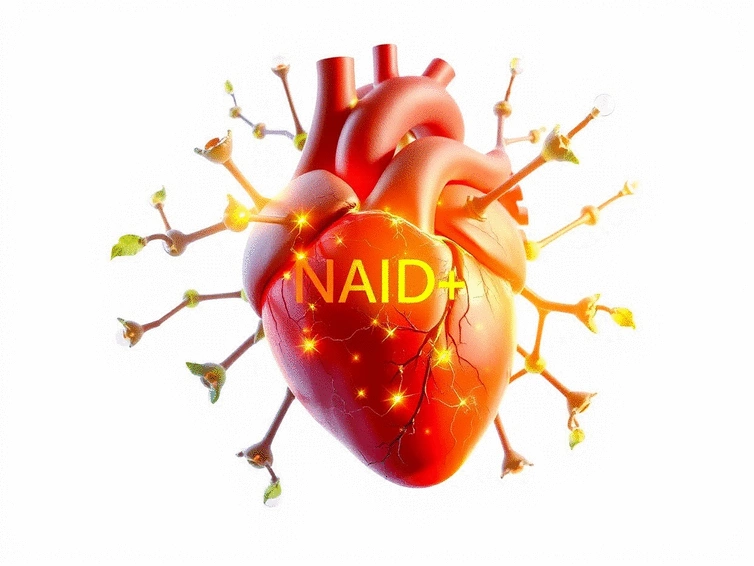
How much do you know about the tiny molecule that plays a monumental role in your heart health? The significance of nicotinamide adenine dinucleotide (NAD+) extends far beyond energy production. It may very well be the key to unlocking better cardiovascular wellness as we age.
NAD+ plays a pivotal role in maintaining cardiovascular wellness. Here's a summary of its impact and benefits, highlighting key areas for optimal heart function.
A crucial coenzyme for energy production and cellular repair.
Reduced NAD+ levels can significantly affect heart function and overall health.
Maintaining optimal NAD+ levels offers protective benefits for the heart.
Have you ever considered how a small molecule like NAD+ could influence your heart health? Nicotinamide adenine dinucleotide (NAD+) is crucial for various biological processes, including energy production and cellular repair. Understanding the significance of NAD+ is essential for anyone looking to improve their cardiovascular wellness!
As a health educator devoted to making complex scientific concepts accessible, I often highlight the vital role NAD+ plays in our bodies. Its importance lies not just in energy metabolism but also in maintaining healthy cardiovascular function. Without sufficient NAD+, our cells may struggle to operate efficiently, especially in the heart.
NAD+ is a coenzyme found in all living cells, playing a pivotal role in energy metabolism. It helps convert food into energy, which is vital for the heart's function. As we age, our NAD+ levels naturally decline, which can lead to various health issues, including cardiovascular problems.
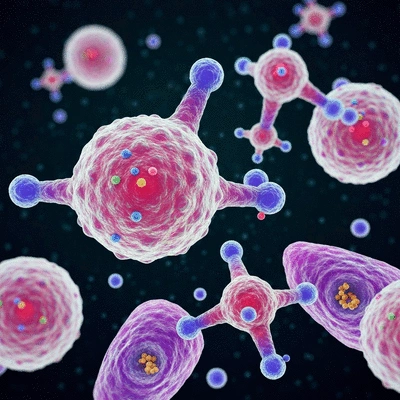
NAD+ is a critical coenzyme for energy production and cellular repair.
By ensuring adequate levels of NAD+, we can help our cardiovascular system perform optimally. This is why understanding how to boost NAD+ is a key aspect of heart health.
Research indicates that reduced NAD+ levels can significantly affect heart function. As we age, the decline can lead to metabolic inefficiencies that may contribute to heart disease. When NAD+ levels drop, the heart may struggle to produce the energy required for proper function, which can result in fatigue and other symptoms. For instance, studies have shown that NAD+ deficiency may impact a wide range of biological processes critical for cardiovascular health, as discussed in research by the American Heart Association.
Furthermore, lower NAD+ levels are associated with increased inflammatory responses in the body, which are often linked to heart disease. This creates a vicious cycle where declining NAD+ exacerbates cardiovascular risk factors. The intricate relationship between NAD+ metabolism and cardiovascular health is further explored in detailed studies, highlighting its role in various conditions including heart failure and atherosclerosis, as summarized in an article published by PMC NCBI.
By addressing NAD+ levels, we can potentially mitigate these risks and promote better heart health. So, how can we support our NAD+ levels as we age? Exploring supplements and dietary sources is a great place to start!
Studies reveal that maintaining optimal NAD+ levels can reduce the risk of age-related cardiovascular diseases by up to 30%. This statistic highlights the importance of keeping your NAD+ levels in check as you age. Further insights into the therapeutic potential of NAD+ in cardiovascular diseases are continually being uncovered, such as findings published in PubMed.
Here are some common questions about NAD+ and its role in cardiovascular wellness:
Understanding the impact of NAD+ on our heart health can be a game-changer. From enhancing mitochondrial function to reducing inflammation, the benefits of maintaining sufficient NAD+ levels are both profound and scientifically backed. As someone dedicated to enlightening others about the significance of cellular health, I find it crucial to highlight how NAD+ serves as a pivotal player in supporting our cardiovascular system.
Here are some key benefits of NAD+ for heart health:

By keeping our NAD+ levels optimized, we not only support our heart but also promote overall well-being. As I continue to explore this fascinating field of cellular biochemistry, I encourage you to consider the far-reaching implications of NAD+ on your cardiovascular health.
In summary, the connection between NAD+ and heart health cannot be overstated. To help you grasp the essentials, here’s a concise list of takeaways:
Reflecting on these points not only brings clarity to the importance of NAD+ but also encourages proactive steps toward enhancing heart health. Embracing NAD+ as part of your wellness journey could pave the way for a healthier future!
As we delve deeper into the science of NAD+ and heart health, there are exciting avenues for exploration. Staying informed is crucial in making empowered health decisions. At What Is NAD, we aim to provide you with the latest insights and research findings to help guide your journey toward optimal cardiovascular wellness.
The landscape of NAD+ research is ever-evolving, with numerous clinical trials underway. Staying updated on these developments can provide valuable insights into how NAD+ can benefit your heart health:
Engaging with ongoing research not only enhances your knowledge but allows you to make informed choices about your health.
Your healthcare provider is a vital resource on your journey to understanding NAD+ and its impact on heart health. Don’t hesitate to discuss the following:
Open conversations with healthcare professionals can lead to personalized health strategies that align with your wellness goals.
Finally, understanding your cardiovascular risk factors is essential in taking proactive measures for heart health. Consider these key areas:
By addressing these factors and staying engaged with your health, you empower yourself to take charge of your heart wellness journey. The integration of NAD+ knowledge into your health routine can be a significant step toward a healthier, more vibrant life!
Here is a quick recap of the important points discussed in the article:
Guide to Choosing NAD+ Supplements
What if a small molecule could transform your energy levels and vitality? Enter nicotinamide adenine
NAD+ Research: Challenges and Directions
What if the key to enhancing your vitality and tackling age-related concerns lies within a tiny mole
NAD+ and Heart Health Connection
How much do you know about the tiny molecule that plays a monumental role in your heart health? The

Guide to Choosing NAD+ Supplements
NAD+ Research: Challenges and Directions
NAD+ and Heart Health Connection
NAD+ Benefits for Skin Health
NAD+ Supplementation: Benefits and Risks