
Core Function
NAD+ in Cellular Processes
NAD+ fuels energy production, activates crucial enzymes, and governs DNA repair, making it indispensable for cellular vitality.
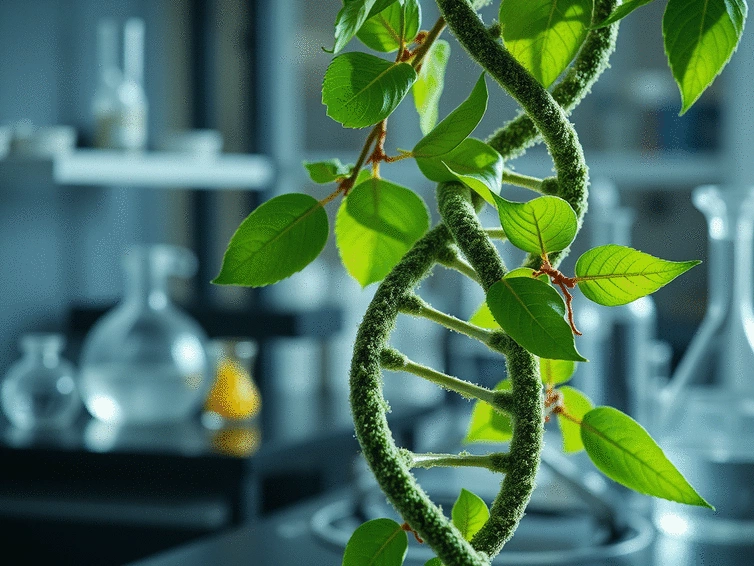
What if the key to healthier aging lies in a molecule that exists within every cell of your body? Understanding the role of NAD+ (nicotinamide adenine dinucleotide) is crucial for maintaining cellular health and promoting longevity. Let’s dive into the essential insights about this powerful coenzyme.
NAD+ is a vital coenzyme, critical for energy, DNA repair, and cellular signaling. The visual below outlines its key roles and how its decline impacts aging, alongside strategies to maintain healthy levels.
NAD+ fuels energy production, activates crucial enzymes, and governs DNA repair, making it indispensable for cellular vitality.
NAD+ activates sirtuins, proteins that regulate aging, inflammation, and stress response, enhancing cellular resilience.
PARP-1 uses NAD+ to detect and repair DNA damage, preserving genomic stability and preventing cellular harm.
Lower NAD+ levels impair DNA repair and energy production, leading to increased cellular damage, accelerated senescence, and susceptibility to age-related diseases.
Balanced diet rich in niacin; intake of NAD+ precursors like NMN or NR.
Regular physical activity and caloric restriction can naturally enhance NAD+ levels.
Have you ever thought about how our cells maintain their integrity and function over time? The answer may lie in a tiny yet powerful molecule known as NAD+ (nicotinamide adenine dinucleotide). This coenzyme plays an essential role in various cellular processes, particularly in the realms of DNA repair and overall cellular health. By understanding its significance, we can better appreciate how it contributes to our well-being as we age.
At What Is NAD, we believe that knowledge is empowering. That’s why we're diving deep into the world of NAD+ to uncover why it matters so much for our bodies and how we can support its levels through lifestyle choices and supplements.
NAD+ is a vital coenzyme found in every cell of our body, serving as a key player in energy metabolism and cellular signaling. Its primary function is to facilitate redox reactions, which are crucial for converting nutrients into energy. In essence, NAD+ is the spark that ignites cellular processes, making it fundamental for maintaining cellular health.
As we delve deeper, we’ll explore how NAD+ also supports DNA repair mechanisms, which is vital for preventing the cellular damage that can accumulate over time.
NAD+ serves as a crucial factor in numerous cellular processes, including energy production, DNA repair, and cell signaling. Without adequate levels of NAD+, our cells struggle to produce the energy needed for optimal performance. This is where understanding the importance of NAD+ becomes essential. At What Is NAD, we aim to demystify these scientific concepts, making them accessible to everyone!
Additionally, NAD+ mediates essential biochemical reactions, influencing key pathways that promote cellular health. This makes it not just a molecule but a cornerstone of our cellular machinery.
NAD+ is especially important when it comes to DNA repair. Our DNA is constantly facing threats from environmental factors and normal metabolic processes. When damage occurs, NAD+ is recruited to help activate repair proteins, ensuring that our genetic material remains intact. This process is vital for maintaining genomic stability and preventing the onset of diseases, including cancer.
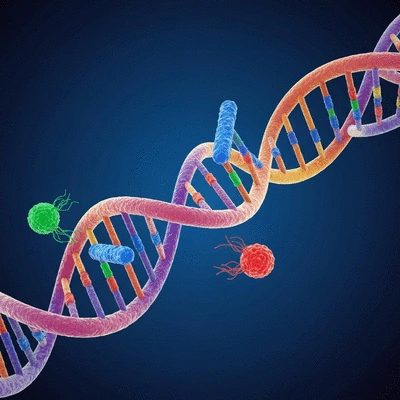
Understanding the role of NAD+ in DNA repair highlights its importance not just for cellular function but for overall health and longevity. As we explore further in this article, we’ll uncover the mechanisms through which NAD+ performs its magic!
NAD+ doesn’t operate in isolation; it works alongside several other proteins and enzymes to maintain cellular health and longevity. Among these, sirtuins and PARP-1 are particularly noteworthy.
Sirtuins are a group of proteins that are dependent on NAD+ for their activity. They play a crucial role in regulating various cellular processes, including aging, inflammation, and stress response. By activating sirtuins, NAD+ helps promote cellular health and resilience, ultimately influencing our longevity. Research indicates that sirtuins are key regulators of the aging process, and their activity is directly tied to NAD+ availability, as detailed in articles like this one on NAD+ and aging research.
By maintaining optimal levels of NAD+, we can potentially harness the protective effects of sirtuins to promote healthier aging.
Poly(ADP-ribose) polymerase-1 (PARP-1) is another crucial enzyme that relies on NAD+. It’s primarily responsible for detecting and repairing DNA damage. When DNA breaks occur, PARP-1 uses NAD+ to create poly(ADP-ribose) chains that signal the presence of damage and recruit necessary repair factors.
This action is vital because it not only helps fix the breaks but also prevents further cellular damage, highlighting the importance of maintaining healthy NAD+ levels for effective DNA repair.
As we age, our NAD+ levels naturally decline. This reduction can have profound effects on our cellular health and overall well-being. In this section, we’ll examine how these declines impact our body and the connection to age-related diseases.
Research indicates that as NAD+ levels decrease, our cells become less efficient at repairing DNA and managing energy production. This can lead to a cascade of negative effects, including increased cellular damage and a higher susceptibility to age-related diseases. The critical link between declining NAD+ and the aging process is further explored by experts, highlighting its role in maintaining health as we age, as discussed in this article on NAD+ in aging and longevity.
Understanding this decline underscores the importance of finding ways to boost NAD+ levels, which we will explore in the later sections.
Many age-related diseases, such as Alzheimer’s and cardiovascular disease, are linked to declining NAD+ levels. This connection highlights the potential for NAD+ as a target for therapeutic interventions aimed at promoting health span and longevity.
By focusing on strategies to boost NAD+, we may have the opportunity to mitigate some of the negative impacts of aging.
Cellular senescence is a state where cells stop dividing and can contribute to aging and age-related diseases. Low NAD+ levels have been shown to accelerate this process. By maintaining adequate NAD+ levels, we could potentially delay the onset of cellular senescence, leading to healthier aging.
At What Is NAD, we are passionate about exploring how these intricate connections between NAD+ and cellular processes can empower you to make informed decisions about your health!
To naturally boost your NAD+ levels, consider incorporating foods rich in niacin, such as turkey, chicken, and fish, into your diet. Additionally, engaging in regular physical activity can stimulate your body's NAD+ production, enhancing your overall cellular health!
NAD+ (nicotinamide adenine dinucleotide) is a vital coenzyme found in every cell of your body. It is crucial for energy metabolism, DNA repair, cellular signaling, and maintaining overall cellular health, making it indispensable for longevity.
NAD+ supports DNA repair by activating enzymes like PARP-1, which detect and fix DNA damage. It also stimulates sirtuins, proteins that regulate cellular health and help maintain genomic stability, preventing cellular harm.
Sirtuins are a group of proteins dependent on NAD+ for their activity. They regulate cellular processes such as aging, inflammation, and stress response. By activating sirtuins, NAD+ helps enhance cellular resilience and promotes healthier aging.
As we age, NAD+ levels naturally decline. This reduction impairs DNA repair and energy production, leading to increased cellular damage, accelerated senescence, and a higher susceptibility to age-related diseases.
Strategies to boost NAD+ include a balanced diet rich in niacin, intake of NAD+ precursors like NMN or NR, regular physical activity, and caloric restriction. These approaches can be personalized to individual health needs and lifestyles.
As we've explored, NAD+ plays a pivotal role in our cellular functions, especially when it comes to DNA repair and overall health. It’s fascinating to see how this tiny molecule can significantly influence our longevity. By maintaining optimal levels of NAD+, we can not only promote healthier aging but also enhance the resilience of our cells against stress and damage.

In summary, here are the key takeaways regarding NAD+ and its impact on cellular health:
Understanding the mechanisms that support healthy aging is crucial. NAD+ aids in activating sirtuins, which are instrumental in regulating cellular processes that promote longevity. These proteins help protect our DNA and enhance the body's ability to respond to stress.
Moreover, as we age, it becomes increasingly vital to maintain adequate levels of NAD+. The decline of this essential coenzyme is associated with various age-related conditions, making awareness and proactive management of NAD+ levels imperative for healthy aging.
Healthy aging is more than just a wish; it’s achievable through understanding the biological mechanisms at play. Here are some strategies that can help:
Maintaining NAD+ levels is critical for promoting longevity. Low levels of NAD+ can lead to decreased cellular energy, which contributes to fatigue and declines in health with aging. Keeping your NAD+ levels up can be like giving your cells the fuel they need to thrive!
Taking proactive steps now can foster a healthier, more vibrant future as you age. Remember, it’s not just about how many years we have but the quality of those years!
Integrating NAD+ boosting strategies into your lifestyle can seem overwhelming, but it doesn't have to be! Start by understanding your unique health needs and preferences. Here’s how you can take actionable steps:
Choosing the right NAD+ boosting strategy should be personalized. It’s essential to consider factors such as your age, health status, and specific goals. For instance, if you’re looking to enhance energy levels, you might opt for NMN, while those focusing on recovery may benefit from different approaches.
Engaging with a healthcare provider can help tailor a plan that fits your individual needs, ensuring you make informed decisions about your health journey.
We would love to hear from you! Sharing your experiences with NAD+ can foster a supportive community for those interested in cellular health. Feel free to connect with us at What Is NAD and share your journey or questions regarding NAD+ and its benefits. Your insights could inspire someone else!
Caloric restriction has shown promising effects on boosting NAD+ levels in various studies. This practice not only encourages the body to utilize energy efficiently but also enhances the production of crucial components like NAD+. If you’re exploring methods to increase your NAD+ naturally, caloric restriction may be worth considering—but always consult with a professional to find the right balance for your health.
In conclusion, understanding and maximizing NAD+ is a critical step in the journey toward enhanced longevity and cellular health. Embrace the knowledge you've gained and take action today for a healthier tomorrow!
Here is a quick recap of the important points discussed in the article:
Guide to Choosing NAD+ Supplements
What if a small molecule could transform your energy levels and vitality? Enter nicotinamide adenine
NAD+ Research: Challenges and Directions
What if the key to enhancing your vitality and tackling age-related concerns lies within a tiny mole
NAD+ and Heart Health Connection
How much do you know about the tiny molecule that plays a monumental role in your heart health? The

Guide to Choosing NAD+ Supplements
NAD+ Research: Challenges and Directions
NAD+ and Heart Health Connection
NAD+ Benefits for Skin Health
NAD+ Supplementation: Benefits and Risks