
Mechanism 1:
Activation of Sirtuins
NAD+ is essential for sirtuins, proteins that regulate cellular health and promote longevity.
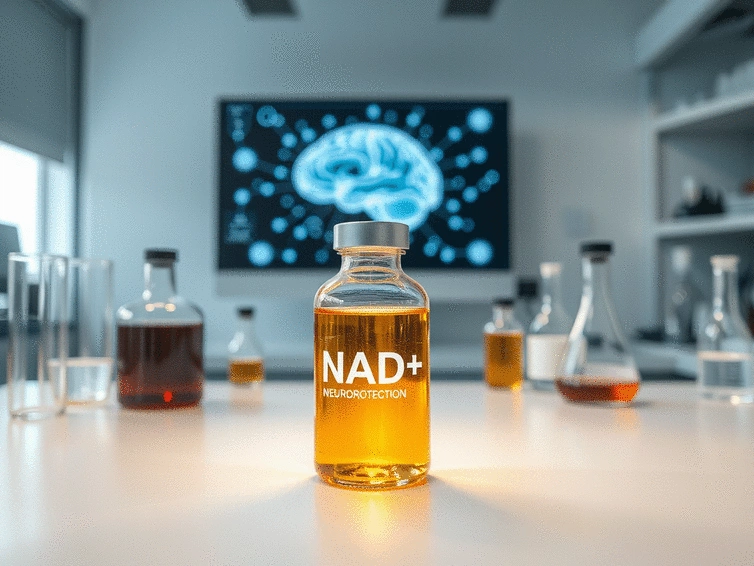
What if a small molecule could hold the key to enhancing your brain's health and longevity? The revolutionary insights on NAD+ reveal its crucial role in neuroprotection and cognitive vitality. Understanding how to support this molecule can lead to better brain health as we age.
NAD+ is crucial for brain health, supporting energy, repair, and neurotransmitter regulation. The visual below highlights its key mechanisms and benefits for cognitive function.
NAD+ is essential for sirtuins, proteins that regulate cellular health and promote longevity.
NAD+ helps combat oxidative stress, protecting brain cells from damage and supporting integrity.
NAD+ is vital for energy production in brain cells, promoting optimal mitochondrial health for cognitive function.
This molecule is essential for the brain's ability to adapt and form new connections, crucial for learning.
Have you ever considered how a tiny molecule, NAD+, could be essential for our brain health? Nicotinamide adenine dinucleotide (NAD+) plays a critical role in various cellular processes. Without adequate levels of NAD+, our brain cells may struggle to function optimally, leading to various cognitive issues that can arise with age.
At What Is NAD, we strive to shed light on the importance of this molecule and its impact on neuroprotection. Understanding the role of NAD+ in maintaining brain health is essential for anyone interested in longevity and cognitive wellness!
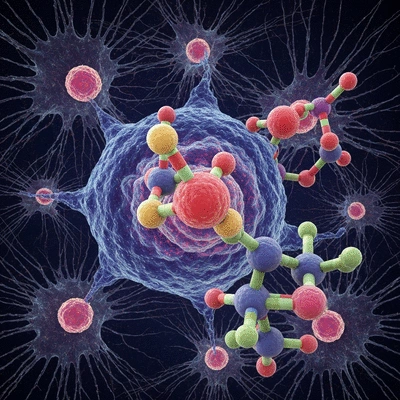
NAD+ is a coenzyme found in all living cells. It is integral to energy metabolism and is involved in over 500 enzymatic reactions. In the brain, NAD+ helps to regulate energy production, supports mitochondrial function, and is vital for maintaining neuronal health. Here are a few key points to remember:
Low levels of NAD+ can contribute to cognitive decline and neurodegenerative diseases, making it imperative to understand how to support its production, especially as we age. Recent research, such as that published in Frontiers in Pharmacology, highlights the therapeutic potential of NAD+ precursors in treating neurodegenerative diseases.
So, how does NAD+ actually protect our neurons? The mechanisms are quite fascinating! NAD+ helps to activate various pathways that support brain health:
By enhancing these mechanisms, NAD+ contributes significantly to neuroprotection and overall brain health, creating a promising area for research and therapeutic interventions. For example, a study in Antioxidants & Redox Signaling delves deeper into how NAD+ precursors can reduce oxidative stress and neuroinflammation.
The relationship between NAD+ and energy production in the brain is profound. Our brain consumes a significant amount of energy, which is primarily derived from glucose metabolism. NAD+ is essential for this process. Some critical aspects include:
With NAD+ supporting both metabolism and energy production, it becomes clear why maintaining its levels is essential for cognitive vitality. This understanding not only empowers individuals but also guides future research into enhancing brain health.
To enhance your body's NAD+ levels naturally, consider incorporating foods rich in niacin, such as turkey, chicken, and legumes, into your diet. Regular exercise can also boost NAD+ production, so aim for at least 30 minutes of physical activity most days of the week. These lifestyle choices not only support your NAD+ levels but also contribute to overall cognitive health!
As we delve into the multifaceted role of NAD+ in cognitive health, it becomes clear that this essential molecule is far more than a buzzword in the world of wellness. It supports critical brain functions and plays a significant role in neuroprotection, linking cellular energy with cognitive resilience. To summarize, here are some key benefits of NAD+ for cognitive health:
These benefits underscore the importance of maintaining adequate levels of NAD+ as we age, especially in the context of brain health. Given my research background, I believe that understanding these roles empowers individuals to make informed choices about NAD+ supplementation.
When considering NAD+ supplementation, it’s essential to approach it with knowledge and intention. Here are some practical recommendations:
By following these recommendations, you can enhance your chances of reaping the cognitive benefits of NAD+. At What Is NAD, we are committed to providing science-backed information to help you navigate these choices effectively.
As the research landscape on NAD+ continues to evolve, staying informed about the latest developments is crucial for those interested in cognitive health. Here are some steps you can take to engage with ongoing research:
Keeping up with advancements in NAD+ research can be both exciting and beneficial for your health journey. Here’s how you can stay in the loop:
By actively seeking knowledge, you can better understand how NAD+ may play a role in your health. Clinical trials, such as those registered on ClinicalTrials.gov, offer valuable insights into the ongoing studies and potential future applications of NAD+ and its precursors.
Your journey with NAD+ can contribute to a larger conversation about cognitive health. Here are some ways to share your experiences:
Sharing insights can foster a sense of community and help others who are navigating similar paths.
Lastly, it’s important to recognize how aging affects NAD+ levels. As we age, our NAD+ levels naturally decline, which can impact cellular function and cognitive health. Understanding this connection can empower you to take proactive steps in your wellness journey.
Embracing these strategies can help mitigate the effects of aging on NAD+ levels, ultimately supporting your cognitive health.
Here is a quick recap of the important points discussed in the article:
Guide to Choosing NAD+ Supplements
What if a small molecule could transform your energy levels and vitality? Enter nicotinamide adenine
NAD+ Research: Challenges and Directions
What if the key to enhancing your vitality and tackling age-related concerns lies within a tiny mole
NAD+ and Heart Health Connection
How much do you know about the tiny molecule that plays a monumental role in your heart health? The

Guide to Choosing NAD+ Supplements
NAD+ Research: Challenges and Directions
NAD+ and Heart Health Connection
NAD+ Benefits for Skin Health
NAD+ Supplementation: Benefits and Risks