
What is NAD+?
- ✓ Critical coenzyme in all living cells
- ✓ Converts food into energy (ATP)
- ✓ Exists in two forms: NAD+ (oxidized) and NADH (reduced)
Essential for cellular respiration, DNA repair, and stress response regulation.
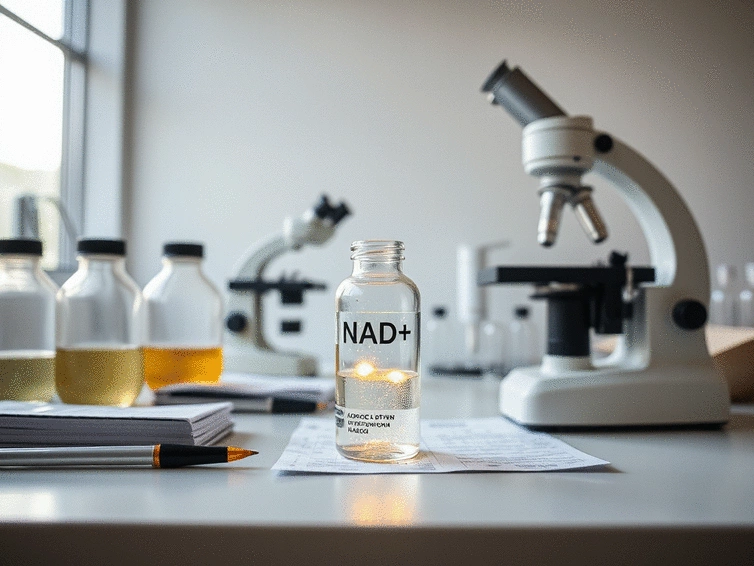
Consider this: what if a simple molecule could revolutionize addiction treatment? Research suggests that nicotinamide adenine dinucleotide, or NAD+, might just be that key player. As we explore its profound implications, you'll discover how it can reshape the journey to recovery.
NAD+ plays a crucial role in cellular function and metabolism, significantly influencing energy levels and neurological processes related to addiction. The visual below highlights its key functions and impact on substance use disorders.
Essential for cellular respiration, DNA repair, and stress response regulation.
Restoring NAD+ can enhance neurotransmitter function and mitigate withdrawal.
Supports brain communication, reducing cravings and improving well-being.
Nicotinamide adenine dinucleotide, commonly known as NAD+, is a critical coenzyme present in all living cells. It plays a pivotal role in converting food into energy, essential for maintaining cellular function and metabolism. In the context of addiction treatment, understanding NAD+ is vital as it influences not only energy levels but also various neurological processes that can affect cravings and withdrawal symptoms.
As we dive deeper into the science behind NAD+, it becomes clear that its role extends beyond basic cellular processes. This knowledge is fundamental for anyone interested in the potential therapeutic benefits of NAD+ in addiction recovery.
NAD+ serves as a cofactor in numerous enzymatic reactions, particularly in the conversion of glucose to energy. It exists in two forms: NAD+ (oxidized) and NADH (reduced). The conversion between these forms is crucial for cellular respiration and energy production. If we liken the body to a car engine, think of NAD+ as the fuel that keeps the engine running efficiently.
By supporting these essential functions, NAD+ is not only crucial for metabolic health but also plays a role in the brain's response to substances, making it a key player in addiction treatment. Research further underscores the importance of NAD+ in cellular health and its potential implications for various conditions, as detailed in comprehensive studies available on NCBI and PubMed Central.
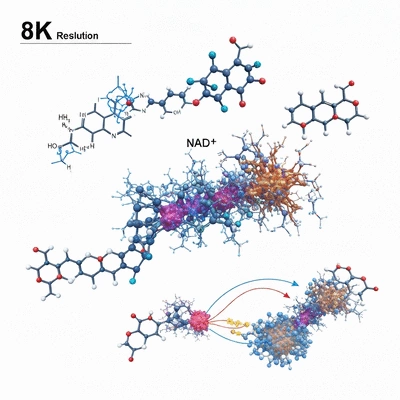
Research suggests that individuals struggling with substance use disorders often exhibit depleted NAD+ levels. This depletion can lead to reduced energy availability in the brain, affecting mood, motivation, and the ability to cope with stress. When NAD+ levels are low, the likelihood of relapse may increase due to heightened cravings and withdrawal symptoms. Insights into how NAD+ deficiency impacts neurological function in addiction can be found in scholarly articles, such as those indexed by Scholars.UTHSC.edu.
This connection emphasizes the importance of NAD+ not just as a metabolic cofactor, but as a potential therapeutic agent in the recovery process for those dealing with addiction.
NAD+ has a profound effect on neurotransmitter regulation, influencing how our brain communicates and processes information. Neurotransmitters such as dopamine, serotonin, and norepinephrine are critical for mood and behavior. When NAD+ is adequately replenished, it can positively affect the synthesis and release of these neurotransmitters.
Understanding this role of NAD+ is essential as we explore its applications in addiction therapy. By supporting neurotransmitter balance, NAD+ therapy could offer a new pathway for recovery.
Here's a brief recap of the key points discussed so far:
Here are some common questions about NAD+ and its application in addiction recovery:
As we explore the complex landscape of addiction treatment, the emerging role of NAD+ stands out as a beacon of hope. Recent studies indicate that NAD+ therapy could be a game changer for those struggling with substance use disorders. This powerful molecule not only helps in reducing cravings but also supports the brain's recovery process. Let’s dive into the key takeaways from these findings!
Understanding these insights is crucial, especially for patients and practitioners looking for effective alternatives in addiction recovery. By recognizing the transformative potential of NAD+, we can better support those on their journey to recovery.

The evidence surrounding NAD+ therapy is steadily growing. Several key studies have highlighted its effectiveness in the realm of addiction treatment:
These findings affirm my commitment at What Is NAD to educate about the benefits of this molecule, paving the way for a more informed approach to addiction recovery.
Considering NAD+ therapy? It's essential to understand what the process typically involves. Here’s a brief overview of what you can expect:
Taking these steps can help you feel more empowered and informed as you embark on your recovery journey. At What Is NAD, we emphasize the importance of understanding your treatment options and advocating for your health!
For those interested in pursuing NAD+ therapy, locating a qualified clinic is a crucial first step. Here’s how you can find the right place:
Taking the time to find the right clinic can make all the difference in your recovery process.
Staying informed is vital, especially when exploring new treatment options like NAD+. Here are some valuable resources:
Utilizing these resources can help deepen your understanding of NAD+ and its potential benefits.
Finally, I encourage anyone considering NAD+ therapy to connect with support groups and recovery programs. Engaging with a community can be incredibly beneficial:
At What Is NAD, we believe that recovery is a journey best undertaken with support and understanding. Start building your community today!
Here is a quick recap of the important points discussed in the article:
Guide to Choosing NAD+ Supplements
What if a small molecule could transform your energy levels and vitality? Enter nicotinamide adenine
NAD+ Research: Challenges and Directions
What if the key to enhancing your vitality and tackling age-related concerns lies within a tiny mole
NAD+ and Heart Health Connection
How much do you know about the tiny molecule that plays a monumental role in your heart health? The

Guide to Choosing NAD+ Supplements
NAD+ Research: Challenges and Directions
NAD+ and Heart Health Connection
NAD+ Benefits for Skin Health
NAD+ Supplementation: Benefits and Risks