
NAD+ (Oxidized Form)
- ✓ **Electron Acceptor:** Crucial for metabolic pathways
- ✓ **Energy Production:** Essential for ATP synthesis
- ✓ **Sirtuin Activation:** Linked to longevity and DNA repair
- ✓ **Primary Role:** Converts nutrients into energy

What if a small molecule could unlock the secrets to your cellular energy and overall wellness? Exploring the roles of NAD+ and NADH reveals insights that could significantly impact your health.
This comparison highlights the distinct functions and impacts of NAD+ (oxidized form) and NADH (reduced form) within cellular processes, crucial for energy metabolism and overall health.
A balanced NAD+/NADH ratio is crucial for optimal metabolic functions and energy production. Imbalance can lead to metabolic disorders and impact aging processes.
Maintaining this balance supports overall cellular health and longevity.
Have you ever wondered about the tiny molecules that power your cellular energy? Nicotinamide adenine dinucleotide (NAD) is one such molecule playing a crucial role in how our cells function. It's essential to distinguish between its two forms: NAD+, the oxidized form, and NADH, the reduced form. Understanding these distinctions helps us grasp how they contribute to our health and longevity.
NAD+ acts as a key player in energy metabolism, acting as an electron acceptor during reactions, while NADH serves as an electron donor. Together, they facilitate vital biochemical processes, making them worthy of our attention!
To fully appreciate the role of NAD, we need to start with its basic definitions. NAD is a coenzyme found in all living cells, and its two forms serve different functions:
In short, NAD+ is essential for converting nutrients into energy, while NADH is vital for transporting that energy throughout the cell. This dynamic duo contributes to our cellular health in significant ways, especially as we age.
NAD+ and NADH are fundamental in various cellular functions, particularly as electron carriers. They play a critical role in redox reactions, which are chemical reactions that involve the transfer of electrons. This transfer is key for energy production, specifically in the process of ATP (adenosine triphosphate) synthesis.
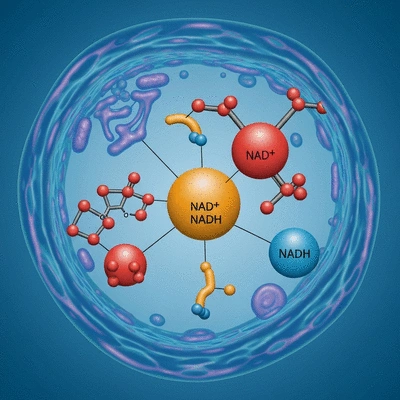
In essence, during cellular respiration, NAD+ accepts electrons (becoming NADH) and subsequently donates them to the electron transport chain. This process is vital, as it allows our cells to produce the energy needed for everything from muscle contraction to brain function!
Cellular respiration is where the magic of energy production happens! Here, NAD+ and NADH are incredibly important:
As we delve deeper into NAD's role, it's important to note that our body's NAD+ levels naturally decline with age. This decline can affect energy metabolism and cellular health, making it critical to understand how to support these levels through lifestyle and dietary choices.
Understanding the distinctions between NAD+ and NADH is vital for health enthusiasts. These differences influence not only cellular metabolism but also our overall wellness!
Let’s break down the biochemical differences further:
These differences highlight why both forms are indispensable in maintaining optimal cellular function and health.
The balance between NAD+ and NADH is particularly important for our health. A proper NAD+/NADH ratio supports metabolic functions and energy production. An imbalance can lead to metabolic disorders and impact aging processes. Maintaining this balance is crucial as we strive for optimal wellness!
Sirtuins are a family of proteins activated by NAD+, playing a key role in cellular aging and health. These proteins influence various functions, including:
Research suggests that enhancing sirtuin activity through NAD+ supplementation could support longevity and improve overall health. For a deeper dive into the relationship between NAD+ and sirtuins, you can explore resources such as the National Center for Biotechnology Information. As we explore ways to boost our NAD+ levels, understanding these roles can empower us on our wellness journey!
Research shows that maintaining a balanced NAD+/NADH ratio can significantly impact your overall health. For instance, a study published in the journal Cell Metabolism found that individuals with higher NAD+ levels experienced improved metabolic functions and better energy levels. This highlights the importance of not only understanding these molecules but also actively working to support their balance through lifestyle choices. Further research on the therapeutic potential of NAD+ can be found in sources like PubMed, which details advances in NAD+ metabolism for therapeutic interventions.
As we've explored throughout this article, understanding the differences between NAD+ and NADH is crucial for our health journey. Both forms of nicotinamide adenine dinucleotide play unique and essential roles in our cellular function, but their contributions differ significantly.
To summarize the key distinctions and health benefits, let’s take a look at the following points:

At What Is NAD, we aim to simplify these complex concepts, helping you make informed choices to support your cellular health and longevity. As you consider the unique benefits of each form, it's essential to reflect on your individual health needs.
Now that you've gathered essential insights about NAD+ and NADH, it’s time to take action! Here are some steps you can consider to further your health journey:
By taking these steps, you're not just enhancing your understanding of NAD+ and NADH; you're actively participating in your wellness journey! Remember, the path to optimal health is a personal one, and I encourage you to explore how these powerful molecules can support your wellbeing.
Here is a quick recap of the important points discussed in the article:
Guide to Choosing NAD+ Supplements
What if a small molecule could transform your energy levels and vitality? Enter nicotinamide adenine
NAD+ Research: Challenges and Directions
What if the key to enhancing your vitality and tackling age-related concerns lies within a tiny mole
NAD+ and Heart Health Connection
How much do you know about the tiny molecule that plays a monumental role in your heart health? The

Guide to Choosing NAD+ Supplements
NAD+ Research: Challenges and Directions
NAD+ and Heart Health Connection
NAD+ Benefits for Skin Health
NAD+ Supplementation: Benefits and Risks