
NAD+ Functions: Essential for Health
- • Energy Production: Converts food into ATP.
- • DNA Repair: Maintains genetic integrity.
- • Cellular Signaling: Regulates metabolic processes.
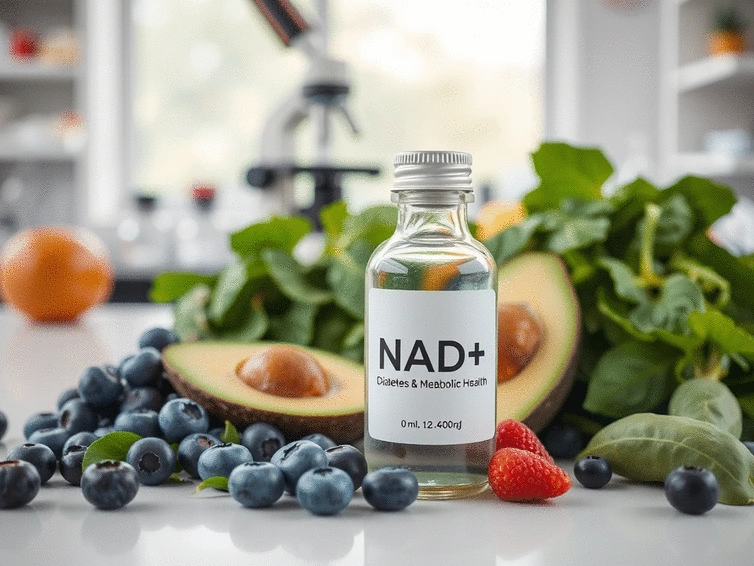
Have you ever considered how a small molecule could significantly influence your metabolic health? NAD+ (nicotinamide adenine dinucleotide) is at the heart of energy production and cellular repair, making it vital for our overall well-being. Understanding its role can empower you to enhance your metabolic health journey!
Explore the critical role of NAD+ in energy production, DNA repair, and its impact on metabolic disorders like diabetes and obesity.
When it comes to understanding metabolic health, NAD+ (nicotinamide adenine dinucleotide) emerges as a key player. This essential coenzyme is involved in a variety of metabolic processes, particularly those relating to energy production and cellular repair. Think of NAD+ as the battery that keeps our cellular engines running smoothly, facilitating the conversion of nutrients into energy and supporting the body's overall metabolic functions.
At What Is NAD, I aim to break down the complexities of these scientific concepts to empower you with the knowledge necessary for your health journey. Staying informed about NAD+ can help us make choices that enhance our metabolic health and overall well-being!
NAD+ is crucial for several biochemical processes, including those involved in energy metabolism, DNA repair, and cell signaling. It exists in two forms: NAD+ and NADH. While NAD+ plays a vital role in energy production, NADH serves as an energy carrier, moving electrons through the mitochondrial processes to generate ATP—the energy currency of our cells.
Adequate levels of NAD+ are necessary for maintaining optimal metabolic health. When NAD+ levels drop, as they do with age or in certain metabolic disorders, our body's efficiency in energy production and repair diminishes, potentially leading to conditions like diabetes and obesity. For instance, recent research highlights the critical role of NAD+ in metabolic regulation and its implications for maintaining overall health.
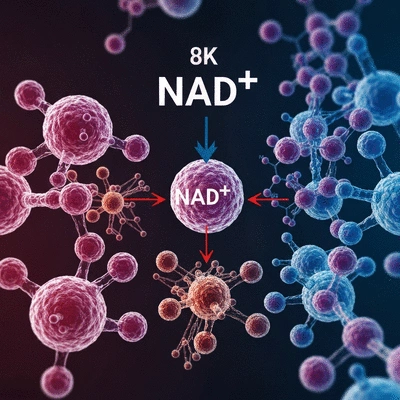
Research has shown that individuals with metabolic disorders often experience a significant decline in NAD+ levels. This decline can create a vicious cycle of worsening metabolic dysfunction. In diabetes, for instance, lower NAD+ levels are associated with impaired insulin sensitivity and increased oxidative stress.
This information highlights the importance of maintaining healthy NAD+ levels as a strategy for managing and potentially preventing metabolic disorders. By understanding these connections, we can make informed decisions about our health. Ongoing clinical trials, such as those exploring NAD+ supplementation in metabolic dysfunction-associated steatotic liver disease, further underscore its potential in addressing these health challenges.
To fully appreciate the role of NAD+ in metabolic health, we must also consider NADH. As the reduced form of NAD+, NADH carries electrons through the mitochondria, directly influencing energy production. Think of it as the delivery truck that transports energy to where it's needed most.
Maintaining a balance between NAD+ and NADH is essential for optimal energy metabolism. As NAD+ levels drop, the efficiency of NADH in energy production can decrease, leading to fatigue and decreased cellular function. Understanding this balance can guide us in our efforts to support metabolic health.
To naturally boost your NAD+ levels, consider incorporating foods rich in niacin (vitamin B3) into your diet, such as chicken, turkey, fish, and legumes. Additionally, regular physical activity and adequate sleep can significantly support your body's NAD+ production, enhancing your overall metabolic health.
As we delve deeper into the role of NAD+ in metabolic health, it's essential to recognize its profound connection with conditions like diabetes and obesity. The continuous decline of NAD+ levels not only impacts energy metabolism but also significantly influences our body's insulin sensitivity. Understanding this relationship can empower us to take proactive steps toward improving our metabolic health.
Here are some key takeaways that summarize the connection between NAD+, diabetes, and obesity:
Incorporating these insights into our understanding of metabolic health sets the stage for future research and therapeutic approaches that can significantly impact individuals struggling with these conditions. For a more detailed look at the science, this review on NAD+ and metabolic health provides comprehensive insights.

The future of NAD+ research holds exciting possibilities, especially as we uncover more about its mechanisms and effects on metabolic health. Ongoing studies are examining how NAD+ supplementation might not only help mitigate metabolic disorders but also promote overall wellness.
Moreover, the potential of NAD+ as a therapeutic target in various diseases encourages researchers to explore innovative strategies, such as:
As we gather more evidence, the hope is to develop clearer guidelines for these approaches, making them accessible to those who need them most.
While NAD+ supplementation is an exciting avenue, we must not overlook the impact of lifestyle modifications on NAD+ levels. Simple changes in our daily routines can support our body's natural processes, potentially enhancing the effects of any supplements we may choose to take.
Here are some effective lifestyle modifications that can help support healthy NAD+ levels:
By embracing these practices, we can create a synergistic effect that enhances our metabolic health and supports our body’s NAD+ levels. Remember, every small step counts on this journey to wellness!
As you consider adding NAD+ supplements to your health regimen, it’s vital to consult with healthcare professionals. They can help tailor a plan that aligns with your unique health needs and ensure that any supplements you choose are safe and effective for you. Remember, having a knowledgeable guide can make all the difference!
Integrating NAD+ support into a holistic approach is essential for achieving optimal metabolic health. At What Is NAD, we believe that understanding the science behind NAD+ can empower your wellness journey. Combining supplementation with lifestyle modifications creates a comprehensive strategy that addresses the root causes of metabolic disorders.
Lastly, evaluating the impact of dietary supplements and nutritional interventions on NAD+ is crucial. Keep track of how different foods and supplements affect your energy levels and overall wellbeing. You might find that certain dietary choices significantly influence your NAD+ levels and metabolic health!
Here is a quick recap of the important points discussed in the article:
Guide to Choosing NAD+ Supplements

What if a small molecule could transform your energy levels and vitality? Enter nicotinamide adenine
NAD+ Research: Challenges and Directions

What if the key to enhancing your vitality and tackling age-related concerns lies within a tiny mole
NAD+ and Heart Health Connection

How much do you know about the tiny molecule that plays a monumental role in your heart health? The

Guide to Choosing NAD+ Supplements
NAD+ Research: Challenges and Directions
NAD+ and Heart Health Connection
NAD+ Benefits for Skin Health
NAD+ Supplementation: Benefits and Risks