
Key Roles of NAD+ in the Body
- Energy Metabolism: Converts food to energy.
- DNA Repair: Helps fix damaged DNA.
- Cell Signaling: Influences cellular health pathways.
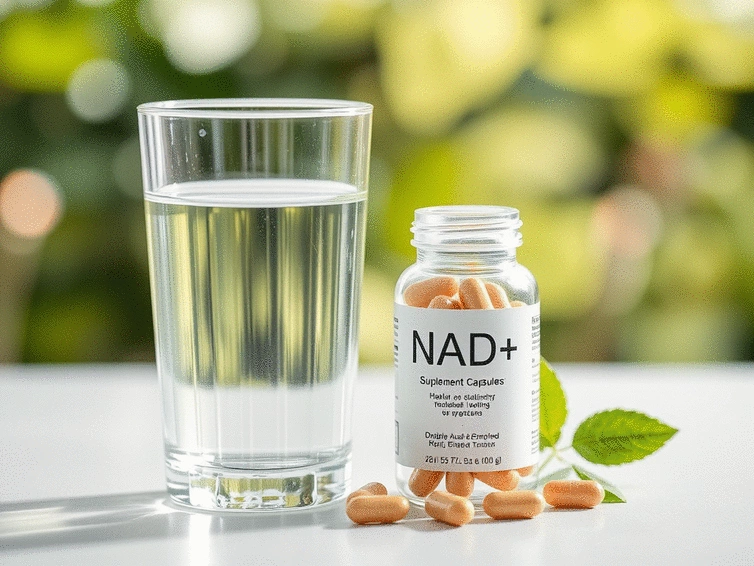
What if a tiny molecule could unlock the secret to a healthier, more vibrant you? NAD+ may be just that key, influencing everything from your energy levels to the aging process. Understanding its role is not just for scientists but for anyone who cares about their health. Let’s dive into what you’ll learn about this essential molecule!
Understanding how NAD+ is produced and its vital roles can help you make informed decisions about supporting your cellular health.
Have you ever wondered why NAD+ supplementation has become such a hot topic in health discussions? As someone deeply immersed in cellular biochemistry, I can tell you that understanding the role of NAD+ is crucial for our overall health. This small but mighty molecule is essential for our cells' energy production, metabolism, and even the aging process. So, why does supplementation matter? Let’s explore!
NAD+ is not just a trendy supplement; it plays a pivotal role in our cellular machinery. With age, our natural levels of NAD+ decline, leading to fatigue, metabolic slowdowns, and a host of age-related issues. Supplementing with NAD+ can help replenish these levels, potentially enhancing energy and supporting overall wellness. It’s like giving your cells a much-needed boost!
NAD+ is involved in numerous biological processes that are vital for maintaining our health. For instance, NAD+ is essential for converting food into energy, a process known as energy metabolism. Additionally, it helps in repairing damaged DNA, which is crucial for longevity and preventing cellular damage. NAD+ also influences various signaling pathways that impact our cellular health.
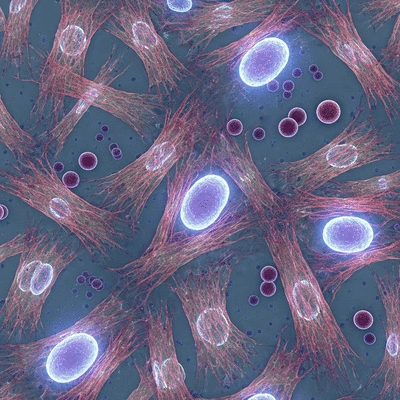
As we age, the levels of NAD+ in our body decrease, leading to a decline in these critical functions. This is where supplementation can be beneficial. By increasing NAD+ levels, we may be able to improve energy production, support metabolic health, and even promote longevity.
Before diving into supplementation, it’s essential to understand the precursors that help our bodies produce NAD+. Two of the most well-known precursors are nicotinamide riboside (NR) and nicotinamide mononucleotide (NMN). Both have gained popularity in recent years for their potential health benefits.
Research suggests that both NR and NMN can effectively elevate NAD+ levels, but they do so through slightly different metabolic pathways. Understanding these differences can help you choose the right supplement based on your health goals.
In addition to supplements, our diet plays a crucial role in maintaining healthy NAD+ levels. Nutrients like niacin (vitamin B3) and tryptophan are vital for NAD+ production. Here’s how they work:
Including foods rich in niacin and tryptophan can support your body’s natural ability to produce NAD+. This dietary approach, combined with supplementation, may enhance your overall cellular health and vitality!
Did you know? Combining NAD+ supplementation with a diet rich in its precursors, such as niacin and tryptophan, may enhance the benefits even further. Incorporating foods like chicken, turkey, broccoli, and avocados can support your body’s natural production of NAD+, maximizing the effects of your supplementation regimen!
As we delve deeper into the science of NAD+ supplementation, it's clear that this powerful molecule holds remarkable potential for improving health outcomes. Research indicates that maintaining optimal NAD+ levels may support cellular energy production, enhance metabolic function, and mitigate the effects of aging. By understanding the benefits and implications of NAD+ supplementation, we can make informed choices about our health.
Here are some key takeaways from the current research on NAD+ and health outcomes:
These insights reinforce the importance of considering NAD+ as a key player in maintaining our health and well-being!
Considering NAD+ supplementation? It’s essential to evaluate your unique health needs and goals. While the potential benefits are exciting, it's crucial to approach supplementation mindfully. Here are some factors to consider:
By taking these practical steps, you can determine if NAD+ supplementation aligns with your health objectives. Remember, empowering yourself with knowledge is key to making informed choices!
NAD+ supplementation may also hold promise for enhancing metabolic health and supporting weight loss. Research suggests that increasing NAD+ levels can improve insulin sensitivity and promote healthy glucose metabolism, both of which are crucial for weight management. For example, studies have shown that NAD+ can play a role in enhancing energy expenditure during physical activity. Here’s how NAD+ may contribute:
As we continue to explore this fascinating area, understanding the connection between NAD+ and metabolism could lead to innovative strategies for achieving and maintaining a healthy weight.
Staying abreast of the latest research on NAD+ and its health implications is essential. I highly recommend checking What Is NAD for expert-reviewed articles and updates that demystify the science behind NAD+. Here are some resources to keep you informed:

Engaging with these resources can help you stay connected to the evolving landscape of NAD+ science!
Many of you have questions about NAD+ supplementation, and I'm here to provide clarity! Below are some frequently asked questions that can guide your understanding:
Finally, insights from clinical trials reveal valuable information about NAD+ supplementation. Participants have reported improvements in energy levels, cognitive function, and overall well-being. Here are some common themes emerging from these studies:
These findings underscore the exciting potential of NAD+ supplementation and its role in supporting health, which I continuously look forward to learning more about!
Here is a quick recap of the important points discussed in the article:
Guide to Choosing NAD+ Supplements
What if a small molecule could transform your energy levels and vitality? Enter nicotinamide adenine
NAD+ Research: Challenges and Directions
What if the key to enhancing your vitality and tackling age-related concerns lies within a tiny mole
NAD+ and Heart Health Connection
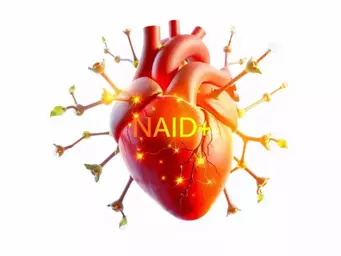
How much do you know about the tiny molecule that plays a monumental role in your heart health? The

Guide to Choosing NAD+ Supplements
NAD+ Research: Challenges and Directions
NAD+ and Heart Health Connection
NAD+ Benefits for Skin Health
NAD+ Supplementation: Benefits and Risks