
Cognitive Function: NAD+ & Cellular Energy
- Energy Production: Facilitates ATP production for brain cells.
- Cellular Repair: Aids DNA repair, maintaining cognitive integrity.
- Regulatory Functions: Influences pathways for brain health.
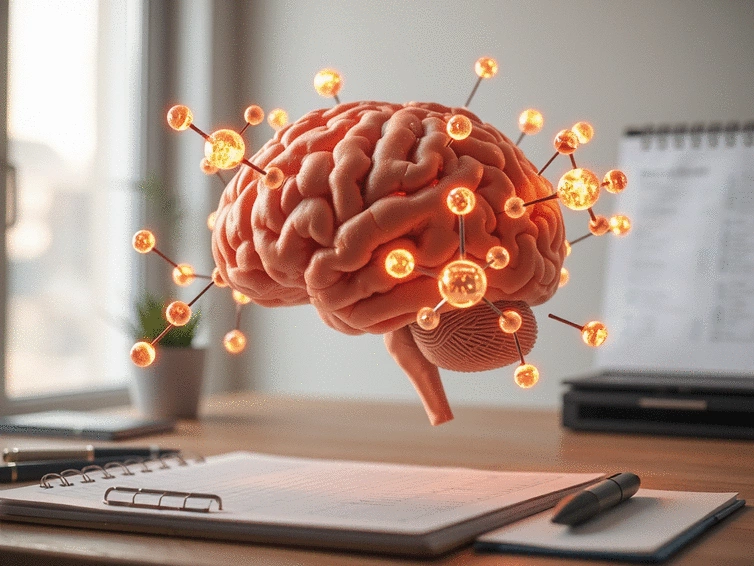
Have you ever considered how a small molecule can significantly enhance your brain's vitality? NAD+ is more than just a coenzyme; it’s a pivotal player in maintaining cognitive function and overall brain health.
NAD+ is a critical coenzyme for cognitive function and neuroprotection, influencing energy production, cellular repair, and neurotransmitter balance. Its decline can impact memory, mood, and overall brain vitality.
Have you ever thought about how a tiny molecule could significantly impact your brain health? Nicotinamide adenine dinucleotide, or NAD+, is a crucial player in this arena. This coenzyme is essential for cellular metabolism and energy production, which makes it vital for maintaining cognitive function. As we age, our NAD+ levels naturally decline, and understanding its role in brain health is more critical than ever!
Research shows that NAD+ influences various brain functions, including memory, learning, and mood regulation. By ensuring our bodies have adequate NAD+ levels, we can support our cognitive health and potentially ward off age-related cognitive decline. Let’s dive deeper into why NAD+ is so important for our brains.
NAD+ is a coenzyme found in all living cells, acting as a key molecule in energy metabolism. It plays a significant role in enzymatic reactions that convert nutrients into energy, which is essential for sustaining cognitive functions. Without sufficient NAD+, our brain cells may struggle to generate the energy they need to function properly.
These functions highlight just how integral NAD+ is to keeping our brains sharp and agile. Its decline can lead to sluggish cognitive processes, making it vital to explore ways to maintain optimal levels of this important molecule.
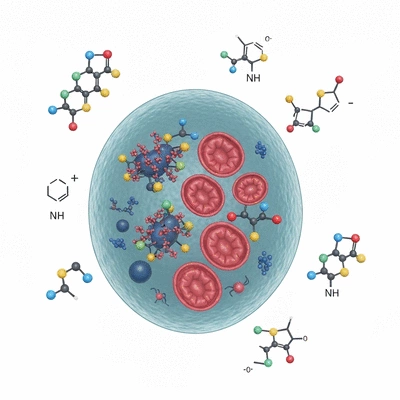
NAD+ is not only important for energy production but also for protecting our neurons from damage. It supports neuroprotection through several mechanisms, including enhancing cellular resilience and combating neuroinflammation. Research indicates that higher NAD+ levels can help shield our brain cells from the harmful impacts of oxidative stress. For example, recent studies supported by the National Institutes of Health are exploring the intricate roles of NAD+ in neurodegenerative diseases and aging.
By maintaining healthy levels of NAD+, we can bolster our brain's defenses, thus playing a proactive role in preserving cognitive function as we age.
Neurotransmitters are vital for communication between neurons, influencing our mood, cognition, and overall brain function. NAD+ plays a critical role in the synthesis and release of these neurotransmitters. Inadequate levels of NAD+ can disrupt this delicate balance, potentially leading to cognitive impairment and mood disorders.
Understanding the connection between NAD+ and neurotransmitters helps us appreciate its significance in mental health. By supporting NAD+ levels, we may enhance our cognitive abilities and mood stability, making it a vital aspect of our overall well-being.
As we explore the mechanisms by which NAD+ supports brain function, we uncover the intricate interplay between energy metabolism, neuroprotection, and cognitive health. Let's delve deeper into the science behind this fascinating molecule!
To naturally boost your NAD+ levels, consider incorporating foods rich in niacin (vitamin B3) into your diet. Foods like turkey, chicken, fish, whole grains, and green vegetables can help enhance your body's NAD+ production. Additionally, regular exercise and maintaining a healthy lifestyle can further support optimal NAD+ levels, benefiting your brain health.
Throughout this exploration, we've seen how NAD+ plays a significant role in enhancing brain health. From its importance in cognitive function to its neuroprotective properties, NAD+ serves as a vital component in maintaining the brain's vitality. By fostering a deeper understanding of these mechanisms, we can better appreciate how this molecule contributes to our overall cognitive well-being. Furthermore, research published in the American Journal of Physiology highlights the broader implications of NAD+ on metabolic health and its potential to influence brain function through systemic effects.
Here are a few key takeaways from our discussion:
In summary, maintaining optimal levels of NAD+ can enhance not only our cognitive abilities but also our overall mental health. This understanding empowers us to take actionable steps towards improving our brain function!

The connection between NAD+ and brain health is both profound and multifaceted. To distill our findings, consider the following insights:
These takeaways emphasize the importance of NAD+ not only as a supplement but as a key player in our brain health strategies. As we continue to uncover the scientific nuances of this molecule, it's clear that NAD+ is an important ally in our quest for cognitive wellness.
If you're interested in enhancing your cognitive health through NAD+, it’s essential to approach supplementation thoughtfully. Here are some considerations to keep in mind:
As always, my goal at What Is NAD is to empower you with knowledge about how to safely incorporate NAD+ into your wellness routine.
For those eager to dive deeper into the science of NAD+ and its implications for brain health, I recommend checking out these resources:
By staying informed and connected, you can make empowered choices about enhancing your brain health through NAD+. Remember, knowledge is power, and I’m here to support you on this journey!
Here is a quick recap of the important points discussed in the article:
Guide to Choosing NAD+ Supplements

What if a small molecule could transform your energy levels and vitality? Enter nicotinamide adenine
NAD+ Research: Challenges and Directions
What if the key to enhancing your vitality and tackling age-related concerns lies within a tiny mole
NAD+ and Heart Health Connection

How much do you know about the tiny molecule that plays a monumental role in your heart health? The

Guide to Choosing NAD+ Supplements
NAD+ Research: Challenges and Directions
NAD+ and Heart Health Connection
NAD+ Benefits for Skin Health
NAD+ Supplementation: Benefits and Risks