
Key Function: Energy Metabolism
NAD+ converts nutrients into energy (ATP synthesis) and facilitates DNA repair, maintaining cellular integrity. Crucial for energy production and enzyme function.
Powering Cells
What if a single molecule could hold the key to improving your health as you age? Nicotinamide adenine dinucleotide (NAD+) is that molecule, playing a crucial role in cellular function and longevity. Understanding its significance might just empower you to make more informed health choices!
NAD+ is a critical coenzyme involved in numerous cellular processes, but its levels decline with age. The visual below highlights its key functions and how this decline impacts aging.
NAD+ converts nutrients into energy (ATP synthesis) and facilitates DNA repair, maintaining cellular integrity. Crucial for energy production and enzyme function.
NAD+ levels significantly drop by age 50, leading to slower energy production, diminished repair, and increased oxidative stress.
Adequate NAD+ ensures efficient ATP synthesis, vital for mitochondrial function. Decline leads to decreased energy and age-related fatigue.
NAD+ activates sirtuins, enhancing DNA repair mechanisms, reducing inflammation, and promoting metabolic health for longevity.
As we delve into the fascinating world of nicotinamide adenine dinucleotide (NAD+), it's vital to understand its role in aging. NAD+ is a coenzyme found in every cell of our bodies, playing a crucial part in various cellular processes. At What Is NAD, we believe that grasping the significance of this tiny molecule can empower you to make informed decisions about your health and wellness.
In this section, we'll explore the biochemical functions of NAD+, how its levels decline with age, and the core mechanisms through which it influences aging. Understanding these concepts is essential for anyone looking to improve their healthspan and longevity!
NAD+ serves as a key player in energy metabolism, helping convert nutrients into usable energy. It is also essential for the function of various enzymes, including those involved in DNA repair and cellular signaling. This makes NAD+ not just a power source, but a critical component for maintaining cellular integrity and function.
These functions highlight the importance of NAD+ in promoting cellular health and longevity. Understanding how it works can guide us in enhancing our well-being as we age.
The biochemical role of NAD+ extends beyond energy production; it’s integral to several critical processes within the cell. One of its primary functions is participating in redox reactions, which are vital for energy metabolism. Essentially, NAD+ helps convert food into energy, acting as a shuttle for electrons during metabolic reactions.
Moreover, NAD+ interacts with various enzymes and proteins that regulate metabolic pathways, making it essential for maintaining cellular homeostasis. Keeping NAD+ levels adequate can help ensure these processes run smoothly and efficiently!
As we age, it’s common for NAD+ levels to decline. This decrease can result in slower energy production, diminished cellular repair systems, and increased oxidative stress. Research, such as that published in PMC NCBI, suggests that by our 50s, NAD+ levels may drop significantly, which can contribute to age-related health issues.
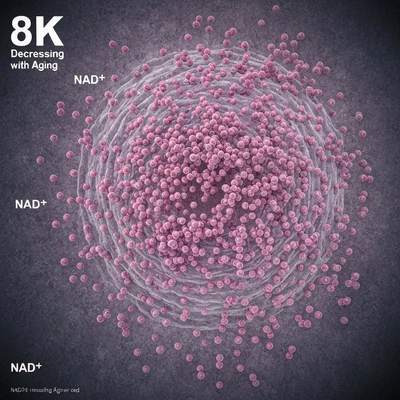
This decline raises a crucial question: How can we combat the loss of NAD+? Addressing this decline could be pivotal for maintaining health and vitality as we age. Here at What Is NAD, we’re dedicated to empowering you with knowledge and solutions that can help you on this journey.
NAD+ plays a vital role in several mechanisms linked to aging. This includes its influence on mitochondrial function, sirtuins (a group of proteins involved in cellular regulation), and metabolic health. Let’s explore how these mechanisms connect NAD+ to the aging process.
Understanding these mechanisms is key to unlocking the potential benefits of NAD+ interventions for promoting health and longevity.
Mitochondria, often called the powerhouses of the cell, rely heavily on NAD+ for energy production. The presence of adequate NAD+ levels ensures efficient ATP synthesis, which fuels nearly all cellular functions. When NAD+ levels decline, mitochondrial function can also diminish, leading to decreased energy availability.
This decline in mitochondrial efficiency is often associated with symptoms of aging, such as fatigue and diminished physical performance. By supporting NAD+ levels, we may help preserve mitochondrial health and maintain our energy levels as we age!
Sirtuins are proteins that play a significant role in regulating cellular health, and they require NAD+ for their activity. By activating sirtuins, NAD+ can enhance DNA repair mechanisms, reduce inflammation, and improve metabolic health. This connection to DNA repair is particularly important, as maintaining genetic integrity is vital for longevity. For instance, research published in Nature npj Aging highlights the role of NAD+ in sirtuin activation and its implications for aging.
Thus, a robust NAD+ level may help us harness the protective benefits of sirtuins, leading to healthier aging and greater resilience against age-related diseases.
Oxidative stress is a condition characterized by an imbalance between free radicals and antioxidants in the body, often linked to aging and chronic diseases. NAD+ contributes to antioxidant defense mechanisms, helping to mitigate oxidative stress levels within cells.
By supporting metabolic processes and reducing oxidative damage, maintaining healthy NAD+ levels can be crucial for reducing the risk of age-related diseases. It’s an exciting area of research that offers potential solutions for enhancing our overall health as we age.
To effectively boost your NAD+ levels, consider incorporating a balanced diet rich in NAD+ precursors, such as tryptophan and niacin-containing foods. These include turkey, chicken, fish, and green vegetables, which can naturally support your body's ability to produce NAD+ as you age.
As we dive deeper into the world of NAD+, it's essential to consider how this remarkable molecule influences our aging process and overall longevity. The research so far has unveiled fascinating insights into the relationship between NAD+ levels and aging. It's clear that maintaining a balance in these levels could be crucial for enhancing our health as we age.

From my years of studying cellular biochemistry, I can confidently say that understanding NAD+ is a key factor in navigating the challenges of aging. As we summarize the current findings, let’s focus on several key takeaways that highlight the significance of NAD+ in our health journey.
Maintaining adequate levels of NAD+ is crucial for cellular health and longevity. Research indicates that as we age, these levels naturally decline, leading to various age-related issues. Here are some core points to consider:
This balance emphasizes the need for proactive measures to maintain healthy NAD+ levels throughout our lives. It’s not just about living longer; it’s about living better!
While the potential benefits of NAD+ are promising, it’s essential to approach this topic with realistic expectations. Current research suggests that while NAD+ supplementation may support health, it’s not a magic bullet for longevity. Here’s what to keep in mind:
By understanding these nuances, we can appreciate the potential of NAD+ without falling into the trap of unrealistic promises.
The connection between NAD+ and metabolic health is a captivating area of research. Increasing evidence suggests that NAD+ may regulate various metabolic pathways, which can impact overall wellbeing. Here are some key links:
Understanding how NAD+ interacts with our metabolism opens doors to new strategies for managing health as we age. As I’ve learned through my research, the more we uncover, the more empowered we become to take control of our health!
NAD+ (Nicotinamide Adenine Dinucleotide) is a critical coenzyme found in every cell of your body. It is vital for energy production (ATP synthesis), DNA repair, and cellular signaling, making it essential for overall cellular health and longevity.
NAD+ levels naturally decline with age. This decrease can lead to slower energy production, diminished cellular repair systems, and increased oxidative stress. Research suggests a significant drop by age 50, contributing to age-related health issues.
NAD+ is crucial for mitochondrial function, which are the "powerhouses" of the cell. Adequate NAD+ levels ensure efficient ATP synthesis, fueling cellular activities. A decline in NAD+ can lead to reduced energy and age-related fatigue.
NAD+ activates sirtuins, a group of proteins that regulate cellular health and longevity. By doing so, NAD+ enhances DNA repair mechanisms, reduces inflammation, and promotes metabolic health, which are all vital for maintaining genetic integrity and healthier aging.
While NAD+ supplementation shows promise in supporting health and influencing healthspan, current research indicates it may positively influence healthspan (the period of life spent in good health) rather than directly extending maximum lifespan. It is not considered a "magic bullet" for longevity, and personal factors like genetics and lifestyle also play significant roles.
The future of NAD+ research is bright and full of opportunities! As scientists continue to explore this molecule, there are several ways we can all engage with and benefit from these developments. Let’s take a look.
Future studies could lead to innovative approaches in aging science. Here’s how:
As these possibilities unfold, we all have a role to play in advocating for science-based approaches to longevity!
To fully harness the benefits of NAD+, it’s vital to stay informed. Here’s how you can keep up:
Staying informed ensures that you make the best decisions for your health as new evidence emerges.
Lastly, emerging research is shedding light on the gut microbiome's potential impact on NAD+ levels. For example, a recent article in Antioxidants & Redox Signaling explores this complex relationship. Some exciting points include:
As we continue exploring these links, we might unlock new pathways to improve our health and longevity!
Here is a quick recap of the important points discussed in the article:
Guide to Choosing NAD+ Supplements
What if a small molecule could transform your energy levels and vitality? Enter nicotinamide adenine
NAD+ Research: Challenges and Directions
What if the key to enhancing your vitality and tackling age-related concerns lies within a tiny mole
NAD+ and Heart Health Connection
How much do you know about the tiny molecule that plays a monumental role in your heart health? The

Guide to Choosing NAD+ Supplements
NAD+ Research: Challenges and Directions
NAD+ and Heart Health Connection
NAD+ Benefits for Skin Health
NAD+ Supplementation: Benefits and Risks