
Aerobic Exercise
Regular cardio activities like jogging, cycling, or swimming fuel cells and promote NAD+ production.
What if a tiny molecule could unlock the secret to your energy and vitality? Understanding the role of nicotinamide adenine dinucleotide (NAD+) might just be the key to revitalizing your health journey.
Understanding how to naturally enhance NAD+ levels is crucial for overall energy and well-being. The following outlines practical strategies for improving cellular function.
Regular cardio activities like jogging, cycling, or swimming fuel cells and promote NAD+ production.
Building muscle through strength training boosts cellular energy and supports NAD+ levels.
Timing meals wisely can enhance the body’s natural production of NAD+.
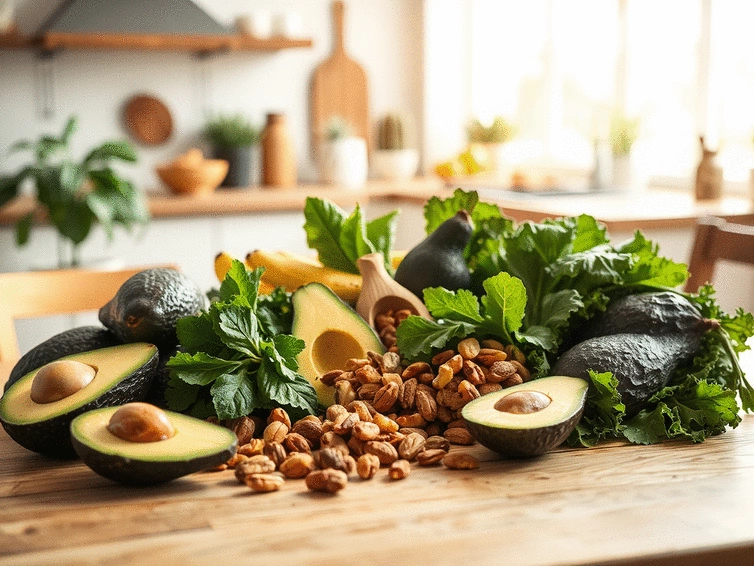
Incorporating foods rich in niacin, antioxidants, and polyphenols positively influences NAD+ levels.
Prioritizing restorative sleep is vital for energy metabolism and NAD+ production.
Implementing effective stress-reduction techniques helps maintain healthy NAD+ levels.
Utilizing sauna and cold therapy can further enhance the body’s NAD+ production.
Have you ever wondered why some days you feel like you can conquer the world while other days leave you feeling drained? The answer might lie in a tiny molecule called nicotinamide adenine dinucleotide, or NAD+. It plays a vital role in our body's energy production, acting like a powerhouse that helps convert nutrients into energy. Understanding the significance of NAD+ can empower you to make informed choices about your health and wellness.
NAD+ is essential for various cellular functions, particularly in the production of ATP (adenosine triphosphate), the energy currency of the cell. When our NAD+ levels are optimal, our cells can efficiently generate energy, leading to improved vitality and overall health. However, as we age, our NAD+ levels naturally decline, which can adversely affect our energy levels and metabolic processes. For a deeper understanding of how NAD+ levels change with age and impact health, you can refer to this research on NAD+ metabolism and its role in aging.
NAD+ is a coenzyme found in all living cells, and its primary function revolves around energy metabolism. It exists in two forms: NAD+ and NADH. The former is involved in metabolic reactions that convert food into energy, while the latter is a byproduct generated during this process. This dynamic duo works together to keep our cells energized and functioning optimally.
Having sufficient NAD+ levels is not just about feeling energetic; it also supports vital cellular functions. If you're aiming for better health and longevity, maintaining healthy NAD+ levels should be a priority on your wellness journey.
As we age, the decline of NAD+ levels can lead to a slowdown in cellular energy production. This decline has been linked to various age-related conditions, including metabolic disorders and decreased cognitive function. Research continues to unveil the connection between NAD+ and healthy aging, suggesting that replenishing NAD+ levels may help mitigate the effects of aging. For instance, recent findings highlight the therapeutic potential of NAD+ in age-related diseases.
By fostering a greater understanding of NAD+, we can explore natural ways to boost its levels and promote healthier aging. Embracing lifestyle changes that support NAD+ production can have profound implications for maintaining energy and overall well-being as we grow older.
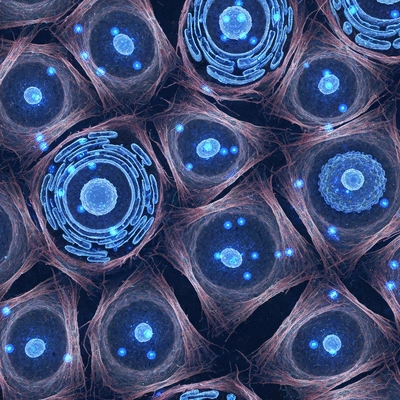
Mitochondria, often referred to as the "powerhouses of the cell," are crucial for energy metabolism. These organelles are responsible for converting nutrients into usable energy, a process heavily reliant on NAD+. When NAD+ levels are sufficient, mitochondria can function efficiently, promoting optimal energy production.
Understanding the relationship between NAD+ and mitochondria can help us appreciate the importance of supporting these cellular powerhouses. By prioritizing strategies that enhance both NAD+ and mitochondrial health, we can pave the way for a more vibrant and energetic life.
Did you know? Incorporating daily mindfulness practices, such as meditation or deep-breathing exercises, can significantly enhance your body's ability to manage stress, which in turn supports healthy NAD+ levels. By reducing stress, you not only improve your mental well-being but also create a conducive environment for optimal energy production in your cells.
NAD+ (nicotinamide adenine dinucleotide) is a coenzyme found in all living cells. It is crucial for energy production, helping convert nutrients into ATP, the primary energy currency of the cell. It also plays roles in DNA repair, cellular signaling, and regulating metabolic processes.
As we age, our NAD+ levels naturally decline. This decline can lead to reduced cellular energy production, impacting vitality and contributing to various age-related conditions, including metabolic disorders and decreased cognitive function.
Several natural strategies can help boost NAD+ levels, including regular aerobic exercise, resistance training, intermittent fasting, consuming a diet rich in niacin, antioxidants, and polyphenols, prioritizing quality sleep, effective stress management, and environmental therapies like sauna and cold exposure.
Dietary choices significantly impact NAD+ levels. Incorporating foods rich in niacin (a precursor to NAD+), antioxidants, and polyphenols can positively influence NAD+ production and cellular health. For more on dietary approaches to boosting NAD+, consider exploring resources like this webinar on diet vs. supplements for NAD+.
Mitochondria, the cell's "powerhouses," are essential for energy metabolism and rely heavily on NAD+. NAD+ facilitates the electron transport chain within mitochondria, a key process for energy production. Healthy mitochondrial function is dependent on sufficient NAD+ levels, and impaired function can lead to energy deficits.
As we explore the exciting realm of NAD+, it’s essential to remember that boosting its levels can significantly impact our energy, metabolism, and overall well-being. I’m thrilled to share some practical strategies that you can easily incorporate into your daily life!
Here’s a quick recap of the natural methods we discussed for enhancing NAD+ levels:
By implementing these strategies, you can actively engage with your health journey. It’s all about finding the right balance that works for you, and I encourage you to explore these avenues to see which resonate the most. Remember, small changes can lead to significant improvements over time!
Let’s dive into some practical steps you can take to begin boosting your NAD+ levels today! It’s all about making informed choices that align with your lifestyle.
By taking these steps, you’ll foster a deeper connection with your health journey and drive meaningful change in your life!
Now that you’re equipped with knowledge and strategies to boost your NAD+ levels, the next step is to take action! Think of your health as a journey where each step leads to a more energized and vibrant life.

Consider setting a timeline for integrating these changes. Perhaps dedicate one week to focusing on increasing your physical activity, followed by a week to refine your dietary choices. It’s about creating a sustainable routine that fits your lifestyle!
To support you on this journey, I recommend exploring the following resources:
At What Is NAD, we are here to guide you every step of the way. Keep an eye on our platform for more articles and updates on the latest research in NAD+ and wellness. Your journey toward enhanced energy and well-being is just beginning!
Here is a quick recap of the important points discussed in the article:
Guide to Choosing NAD+ Supplements
What if a small molecule could transform your energy levels and vitality? Enter nicotinamide adenine
NAD+ Research: Challenges and Directions
What if the key to enhancing your vitality and tackling age-related concerns lies within a tiny mole
NAD+ and Heart Health Connection
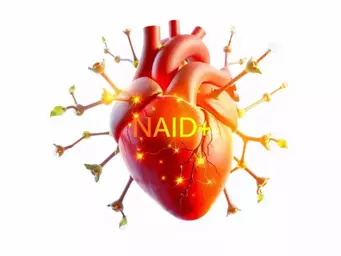
How much do you know about the tiny molecule that plays a monumental role in your heart health? The

Guide to Choosing NAD+ Supplements
NAD+ Research: Challenges and Directions
NAD+ and Heart Health Connection
NAD+ Benefits for Skin Health
NAD+ Supplementation: Benefits and Risks