
Cellular Role & Decline NAD+ Decline with Age
- ● Fatigue: Lower NAD+ leads to decreased physical performance.
- ● Aging Signs: Accelerates aging as repair mechanisms slow.
- ● Health Risks: Linked to diabetes, cardiovascular, neurodegenerative disorders.
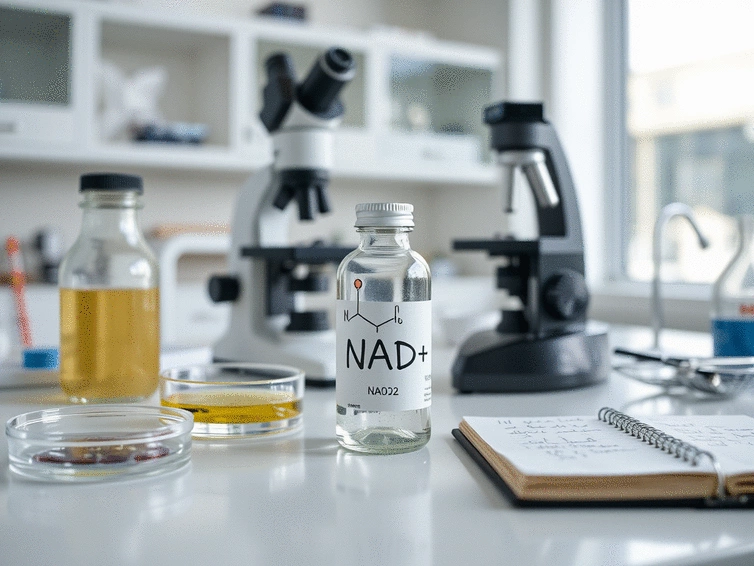
What if I told you that a tiny molecule could be the key to your cellular vitality? Understanding how nicotinamide adenine dinucleotide (NAD+) influences your health is crucial, as it plays an integral role in energy production, DNA repair, and cellular communication.
NAD+ plays a critical role in cellular function, yet its levels naturally decline with age. Understanding this decline and the influence of precursors like NMN and NR is key to leveraging NAD+'s therapeutic potential for health and disease prevention.
Have you ever stopped to think about how vital NAD+ is for your cells? Nicotinamide adenine dinucleotide, or NAD+, plays a crucial role in our cellular health by facilitating energy production and metabolism. Just like a conductor leads an orchestra, NAD+ ensures that various biochemical processes in our cells operate harmoniously. This tiny molecule is essential for converting the food we eat into the energy our cells need to function properly!
In essence, NAD+ acts as a coenzyme in redox reactions, helping transfer electrons between molecules. This process is fundamental to how our cells generate energy. When cells have adequate levels of NAD+, they can perform their functions optimally, leading to better overall health. Understanding the significance of NAD+ is the first step toward appreciating its impact on our wellness journey.
NAD+ is not just another buzzword in health science—it's a powerhouse that drives many critical cellular processes! It comes in two forms: NAD+ and its reduced form, NADH. Together, these forms play a significant role in cellular respiration and energy metabolism. NAD+ is vital for converting nutrients into usable energy, while NADH helps facilitate the transport of electrons, ensuring a smooth energy flow.
By understanding NAD+ and its functions, we can begin to see why maintaining its levels is so important for our health. Research published in Nature Communications highlights the intricate roles of NAD+ in cellular processes. At What Is NAD, we aim to empower you with knowledge about this molecule and its implications for wellness.
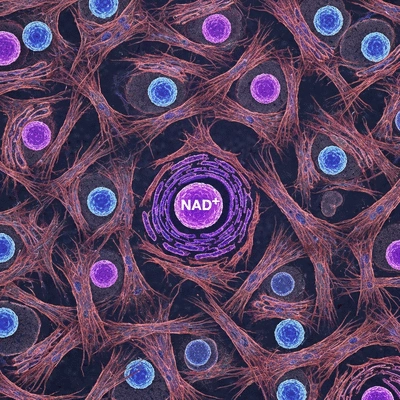
As we age, it's natural for our NAD+ levels to decline. This reduction can lead to various health issues, including decreased energy levels and reduced metabolic efficiency. Imagine your cellular energy as a dimming light bulb; as the NAD+ levels drop, the light starts to flicker, making it harder for your body to maintain optimal function.
Recognizing the implications of declining NAD+ is critical for developing strategies to boost its levels, thus enhancing our health as we age. In my journey as a researcher and health educator, I’ve seen firsthand how understanding these processes can empower individuals to take charge of their health.
To counteract the natural decline of NAD+, many are turning to NAD+ precursors like nicotinamide mononucleotide (NMN) and nicotinamide riboside (NR). These compounds serve as building blocks for NAD+, potentially helping to restore its levels in the body. Think of them as your cellular backup plan!
Using these precursors could be a game-changer in our quest for health and longevity. The National Institute on Aging (NIA) is actively researching NAD+ boosters, indicating the scientific community's interest in their potential. At What Is NAD, we strive to keep you informed about the latest research and how to make the best choices for your well-being!
How do you feel about the importance of maintaining NAD+ levels for health? Share your thoughts below:
As we dive deeper into the realm of NAD+ research, it’s clear that we’re witnessing a revolution in our understanding of cellular health. From the critical role that NAD+ plays in energy metabolism to its implications in aging and disease prevention, the insights gathered so far are both exciting and promising. Here are some key trends and breakthroughs that stand out:
These findings underline the need for continued exploration in this field. The more we learn about NAD+, the clearer it becomes that it could play a pivotal role in shaping our health trajectories as we age. For instance, a review published in the National Center for Biotechnology Information (NCBI) highlights the therapeutic potential of NAD+ in various age-related diseases.
As a health educator at What Is NAD, I can’t stress enough how crucial ongoing research is for uncovering the full scope of NAD+ applications. Continued investigation will not only clarify how NAD+ influences cellular health but also pave the way for innovative therapies. Here are some areas of research that are particularly noteworthy:
Such studies are essential for developing effective strategies that harness the power of NAD+ to improve health outcomes. The journey is just beginning, and we have much more to discover.
The therapeutic potential of NAD+ is vast and varied, especially when it comes to disease prevention. As we analyze the research, it’s becoming increasingly evident that NAD+ could be a game-changer in protecting against numerous health issues. Here’s a closer look at its potential benefits:
With each breakthrough, the promise of NAD+ continues to shine bright. As we gather more evidence and insights, I encourage you to stay engaged with this fascinating topic and consider how NAD+ might play a role in your own wellness journey.
Here is a quick recap of the important points discussed in the article:
Guide to Choosing NAD+ Supplements
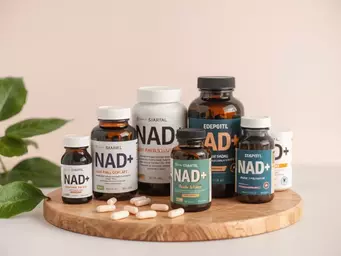
What if a small molecule could transform your energy levels and vitality? Enter nicotinamide adenine
NAD+ Research: Challenges and Directions
What if the key to enhancing your vitality and tackling age-related concerns lies within a tiny mole
NAD+ and Heart Health Connection
How much do you know about the tiny molecule that plays a monumental role in your heart health? The

Guide to Choosing NAD+ Supplements
NAD+ Research: Challenges and Directions
NAD+ and Heart Health Connection
NAD+ Benefits for Skin Health
NAD+ Supplementation: Benefits and Risks