
NAD+ Crucial Roles
- • Energy Production
- • DNA Repair
- • Cell Signaling
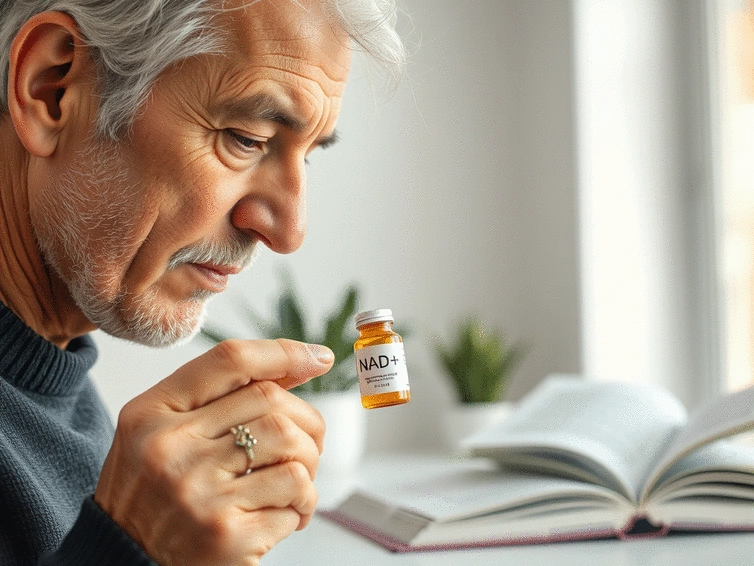
Did you know that as we age, our bodies naturally lose a critical molecule that plays a vital role in energy production and cellular health? Understanding NAD+ could be your key to unlocking better health as you get older.
This visual summarizes the key aspects of NAD+ decline with age and its critical connection to sirtuin activity.
Levels may drop by 50% between 40-60 years.
Have you ever wondered what NAD+ is and why it seems to be the buzzword in health discussions lately? Nicotinamide adenine dinucleotide, or NAD+, is a vital coenzyme found in every cell of our body. It plays a crucial role in energy metabolism, as it helps convert nutrients into usable energy. Think of NAD+ as the fuel that keeps our cellular engines running smoothly. Without it, our bodies may struggle to maintain optimal function!
But why should you care about NAD+? Well, research shows that it also has significant implications for aging and overall health. Low levels of NAD+ have been linked to various age-related diseases, which is why understanding its role is essential for anyone interested in longevity and well-being.
NAD+ is not just a fancy scientific term; it is a cornerstone of cellular health. It's involved in several biological processes, including:
Understanding these functions can empower you to make informed decisions about your health journey, especially as you age. As a health educator, I often emphasize the importance of maintaining optimal levels of NAD+ to support not just longevity but also vitality.
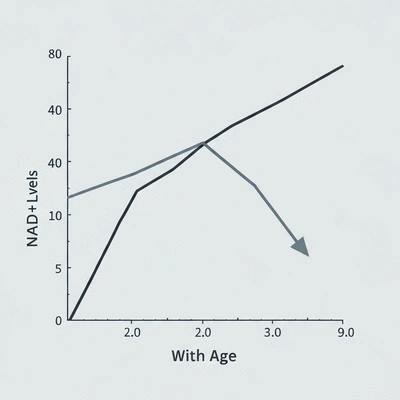
As we grow older, our NAD+ levels naturally decline. This reduction can lead to decreased energy production and increased susceptibility to age-related health issues. It's like watching a vibrant garden wilt over time—without proper care, it loses its vitality. Research suggests that NAD+ levels may drop by as much as 50% between the ages of 40 and 60!
Several factors contribute to this decline, including:
Recognizing these challenges is the first step towards finding ways to replenish NAD+ and promote healthier aging. It’s not just about adding years to life but enhancing the quality of those years!
One of the key players in the aging process linked to NAD+ is a family of proteins known as sirtuins. These proteins are known to regulate several critical cellular processes, including DNA repair and inflammation. They require NAD+ to function effectively, creating a fascinating relationship between NAD+ levels and sirtuin activity.
Here's how they interact:
This connection underscores the importance of maintaining NAD+ levels not just for energy but also for the protective roles that sirtuins play in promoting longevity and health. At What Is NAD, we believe that understanding these intricate relationships can help guide lifestyle choices that enhance your wellness journey!
To naturally boost your NAD+ levels, consider incorporating regular exercise into your routine. Activities like aerobic exercises and strength training have been shown to enhance NAD+ metabolism and support overall energy production in your cells!
NAD+ (Nicotinamide Adenine Dinucleotide) is a vital coenzyme found in every cell of your body. It is crucial for energy production, converting nutrients into usable energy, and plays a significant role in DNA repair and cell signaling. Maintaining optimal NAD+ levels is essential for cellular health and overall well-being, particularly as you age.
As we get older, NAD+ levels naturally decline. Research indicates that these levels can drop by as much as 50% between the ages of 40 and 60. This decline contributes to decreased energy production and an increased susceptibility to age-related health issues.
Sirtuins are a family of proteins that regulate critical cellular processes, including DNA repair, inflammation, and metabolic functions. They are highly dependent on NAD+ to function effectively. When NAD+ levels decline with age, sirtuin activity also diminishes, potentially compromising cellular health and longevity.
Many studies suggest that replenishing NAD+ through supplementation may enhance overall energy metabolism and support brain health and cognitive function. However, individual responses can vary based on factors such as lifestyle and genetics. It's important to consult a healthcare professional before starting any new supplement regimen.
Yes, the field of NAD+ research is continuously evolving, with ongoing clinical trials exploring its potential benefits. For example, some studies are registered on platforms like ClinicalTrials.gov, investigating the effects of NAD+ precursors on human health. Staying informed about these studies can provide valuable insights into emerging trends.
As we wrap up our discussion on NAD+ and its role in aging, it's essential to highlight some key takeaways from the evidence we've explored. Understanding the intricate relationship between NAD+ levels and aging not only sheds light on the biological processes at play but also empowers us to make informed health decisions. Here are the crucial points to remember:
These insights illustrate the importance of NAD+ not just as a molecule, but as a pivotal component in our quest for health and vitality as we age. It’s fascinating to see how science is unraveling the complexities of our biological clock!
From our exploration, we know that maintaining optimal NAD+ levels can be a crucial factor in promoting healthy aging. Here’s a summary of what the research indicates:

As we navigate the complexities of aging, these takeaways can guide us in making choices that support our health. It's amazing to think about how a small molecule like NAD+ can have such a profound impact on our well-being!
Now that we’ve unpacked the essential insights regarding NAD+, you might be wondering, "What’s next?" Taking proactive steps can help you leverage this knowledge effectively. Let’s explore some actionable next steps:
If you're considering NAD+ supplementation, it’s crucial to consult with a healthcare professional. Here are some scenarios where seeking guidance is particularly important:
Having a professional's insight not only ensures safety but also helps tailor your approach to your individual health needs.
The field of NAD+ research is evolving rapidly! Keeping up-to-date with the latest studies and findings can provide you with valuable insights. Here are ways to stay informed:
By staying informed, you can navigate new discoveries and understand how they might apply to your health journey.
Beyond supplementation, lifestyle factors like exercise and hormonal balance significantly influence NAD+ levels. Here’s how you can support your NAD+ optimization:
These lifestyle choices not only support NAD+ levels but also contribute to overall well-being. Remember, integrating small changes into your daily routine can lead to significant improvements over time!
Here is a quick recap of the important points discussed in the article:
Guide to Choosing NAD+ Supplements
What if a small molecule could transform your energy levels and vitality? Enter nicotinamide adenine
NAD+ Research: Challenges and Directions
What if the key to enhancing your vitality and tackling age-related concerns lies within a tiny mole
NAD+ and Heart Health Connection
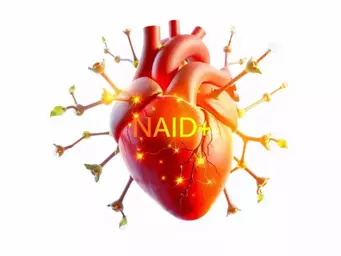
How much do you know about the tiny molecule that plays a monumental role in your heart health? The

Guide to Choosing NAD+ Supplements
NAD+ Research: Challenges and Directions
NAD+ and Heart Health Connection
NAD+ Benefits for Skin Health
NAD+ Supplementation: Benefits and Risks